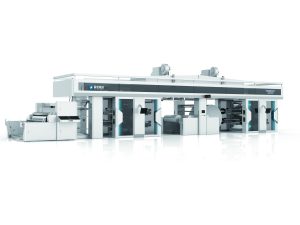
Skip to content
Introduction
Ink is one of the largest variable costs in flexographic printing, often accounting for a significant portion of consumable expenses. For many converters, ink waste—from overproduction, inefficient processes, and poor pressroom practices—represents a major drain on profitability. By adopting targeted strategies and leveraging modern flexo technology, you can substantially reduce ink waste, improve color consistency, and lower your overall operating costs. PUJI Flexo Machinery provides advanced equipment designed to support these efficiency-driven practices.
Adopt a Lean Ink Management System
Embracing a “Lean” philosophy in your ink room is one of the most effective ways to eliminate waste . This involves systematically identifying and removing the eight types of waste—such as overproduction (making more ink than needed), excess inventory, and waiting times—from your workflow . A key element is implementing a 5S program (Sort, Set in order, Shine, Standardize, Sustain) in the ink room, which creates an organized workspace where inks and tools are easily found, errors are minimized, and problems are quickly identified . This cultural shift directly improves the bottom line and can lead to savings of over $100,000 that would otherwise be lost to waste .
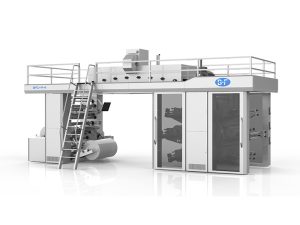
Automate Your Ink Kitchen
One of the most impactful investments is a gravimetric ink dispensing system, which automates the mixing of base inks to create exact spot colors . An automated kitchen reduces reliance on manual labor and human eyesight, standardizing the color-making process for predictable, repeatable quality . The benefits are substantial: ink savings of up to 30% by dispensing precisely what is needed and reusing press-return inks . It also drastically reduces substrate waste during start-up and stores formulas for instant recall on repeat jobs, cutting down on setup times and emissions .
Utilize Advanced Plate Technology
Innovations in prepress and plate technology can significantly reduce ink consumption. Applying a surface screening pattern to your plates makes the print surface act like an anilox, allowing for a more consistent ink film thickness . This enables you to use a lower-volume anilox roll and still achieve the same or better ink laydown . This is particularly effective for white ink, which can represent up to 65% of ink usage on a job . Using engineered plates can increase opacity while reducing mottle, all while using less ink . It can also reduce the number of ink stations required by allowing a single plate to perform functions that previously required two.
Implement Intelligent Software and Workflow Tools
Modern software streamlines ink management and reduces errors. Systems like GSE’s Ink manager allow operators to make standard adjustments to ink recipes for variables like anilox wear or press conditions without creating a new formula, preventing database bloat and confusion . This software also automates key tasks such as managing press-return inks, performing color corrections, creating new colors, and tracking real-time stock levels and consumption per job . This digitalization reduces manual data entry, cuts administrative overhead, and provides valuable data for continuous improvement .
Optimize Anilox Roll Maintenance
The anilox roll is the heart of the flexo press; its condition directly dictates ink transfer and color consistency . When cells become plugged with dried ink or wear down from friction, the ink volume changes, leading to color shifts and forcing operators to “chase color” by adjusting ink . This process wastes time and ink . Implement a strict maintenance program that includes:
-
Daily Cleaning: Keep the anilox rotating during idle time to prevent ink from drying in cells, and clean the roll immediately after a run .
-
Deep Cleaning: Use chemical, ultrasonic, or laser cleaning methods to restore cell volume .
-
Inspection: Regularly inspect rolls and track their BCM (billion cubic microns) volume . A well-maintained anilox ensures you are using the correct, consistent ink volume.
Use Modern, Low-Waste Inking Systems
Traditional ink pans and circulation systems can hold large volumes of ink, leading to significant waste during color changes. Advanced inking systems are designed to minimize the amount of ink in circulation . By using the nip area between the anilox and a metering roller as the sole ink source, these systems drastically reduce the ink required to flood the system . This “minimal ink storage” approach means that during a color change, the waste generated is greatly reduced, and the system’s faster reaction time allows for quicker adjustments to maintain color accuracy . Some systems also feature efficient ink recovery mechanisms to salvage unused ink .
Leverage Eco-Friendly and Efficient Ink Formulations
Selecting the right ink chemistry can directly contribute to waste reduction.
-
Energy-Curable (EB) Inks: Electron beam (EB) inks cure instantly at high press speeds, reducing energy consumption and often eliminating the need for a lamination layer . This reduces material waste and package weight .
-
Low-Migration Inks: For food packaging, using low-migration inks simplifies compliance and reduces the risk of costly rejected batches .
-
Bio-Based Formulations: Newer ink technologies, such as acrylic-free, bio-based formulations, offer significant reductions in carbon footprint and energy consumption during drying, making them both a sustainable and cost-effective choice .
Summary of Key Tips
| Tip | Key Action | Primary Benefit |
|---|---|---|
| 1. Lean Management | Adopt a continuous improvement mindset to eliminate process waste. | Systematic waste reduction and cost savings . |
| 2. Automated Ink Kitchen | Install a gravimetric dispenser for accurate mixing and reuse. | Up to 30% ink savings, repeatable quality . |
| 3. Advanced Plate Technology | Use surface-screened plates to improve ink laydown efficiency. | Reduced anilox volume, less ink needed . |
| 4. Smart Software | Automate recipe management and adjustments. | Fewer errors, no new formula creation, inventory control . |
| 5. Anilox Maintenance | Implement a strict cleaning and inspection routine. | Consistent ink volume, eliminates color chasing . |
| 6. Low-Waste Inking Systems | Use systems with minimal ink storage and recovery features. | Dramatically reduced ink waste per job . |
| 7. Efficient Inks | Select eco-friendly (EB, bio-based) and low-migration inks. | Reduced energy use, waste, and regulatory risk . |
FAQ
How does an automated ink kitchen help reduce waste?
It dispenses exact ink quantities needed for a job, eliminating the guesswork that often leads to overproduction . It also stores recipes for repeat jobs, re-uses ink returned from the press, and provides accurate data for inventory management, collectively reducing waste by up to 30% .
What is surface screening on a flexo plate?
Surface screening involves adding a microscopic cell-like pattern to the printing plate surface, similar to an anilox roll. This pattern helps transfer a more consistent ink film, allowing you to achieve the same print density with a lower-volume anilox, saving ink .
Is regular anilox maintenance really that important?
Yes. A dirty or worn anilox roll holds less ink and transfers it inconsistently . This forces press operators to increase ink flow or add pigments to compensate, wasting ink and time while often creating a “color chase” . Proper maintenance ensures the correct ink volume is delivered every time.
Can changing inks help me save costs?
Yes. Switching to efficient ink systems like Electron Beam (EB) or newer bio-based formulations can reduce drying energy costs and material waste . Similarly, using precise low-migration inks for food packaging reduces the risk of product rejections, saving the entire batch .
Conclusion
Reducing ink waste in flexo printing is a multifaceted challenge that requires a combination of cultural change, automation, and modern technology. By implementing a lean management system, automating your ink kitchen, investing in advanced plates, maintaining your anilox rolls, and using smart software, you can achieve substantial cost savings while improving your environmental footprint. These strategies not only lower your consumable costs but also enhance your production quality and efficiency. For advanced flexographic solutions designed to integrate these efficiency-boosting technologies, explore the range from PUJI Flexo Machinery at https://www.pujimachinery.com and start reducing your ink waste today.