Skip to content
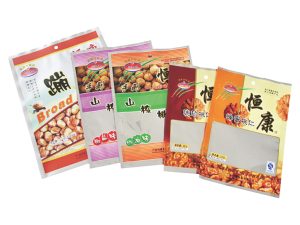
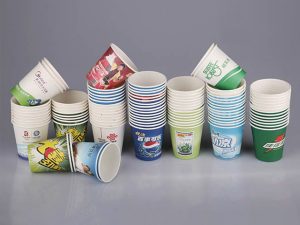
In the modern consumer world, the packaging is often just as important as the product inside. From the vibrant graphics on a cereal box to the sturdy branding on a shipping container, the technology that makes this possible is flexography, or “flexo” printing. Flexography is the undisputed workhorse of the packaging industry, favored for its speed, versatility, and ability to print on almost any substrate.
At PuJi Packaging Machinery, we understand that moving from a digital design concept to a finished retail carton requires a sophisticated blend of mechanical precision and chemical science. Our high-performance printing and converting machines are designed to streamline this journey, ensuring that every carton is a perfect representation of the brand it carries. In this guide, we will pull back the curtain on the flexo printing process, exploring how raw materials are transformed into the packaging you see on store shelves every day.
What is Flexography? The “Flexible” Advantage
Flexography is a form of relief printing. Imagine a giant, high-speed rubber stamp, and you have the basic concept of flexo. However, modern flexography is anything but basic. It utilizes flexible photopolymer plates wrapped around rotating cylinders. These plates have a raised image area; only the raised part receives ink, which is then transferred directly onto the material (the substrate).
The “flexo” in the name refers to the flexible nature of both the printing plates and the wide variety of substrates the process can handle. Unlike offset printing, which requires flat, smooth surfaces, flexo excels on corrugated cardboard, plastic films, metallic foils, and even textured paper. This adaptability is why it is the primary choice for the “carton” industry—whether it’s a heavy-duty corrugated shipping box or a high-gloss folding carton for cosmetics.
The Core Components of a Flexo Printing Machine
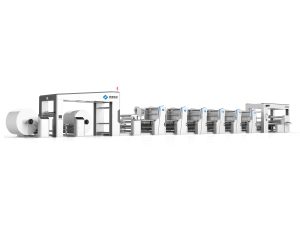
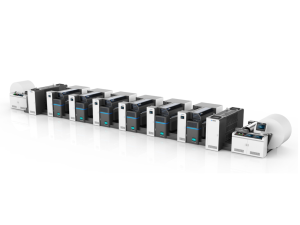
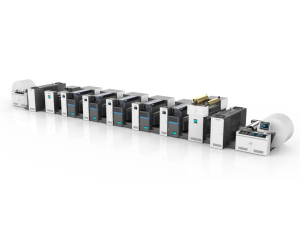
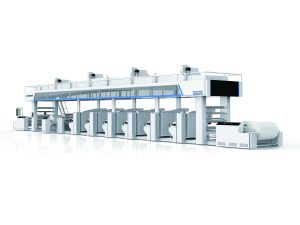
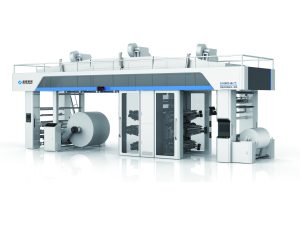
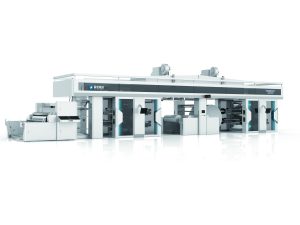
To understand how a concept becomes a carton, one must understand the anatomy of the press itself. A flexo machine is a synchronized system of rollers and ink delivery units designed to maintain perfect “registration” (alignment) at speeds that can exceed 1,000 feet per minute.
| Component | Primary Function | Role in Quality Control |
| Unwind Stand | Holds and feeds the raw material (web) into the press. | Maintains consistent tension to prevent wrinkling. |
| Anilox Roller | A ceramic cylinder with millions of microscopic cells. | Controls the precise volume of ink delivered to the plate. |
| Plate Cylinder | The rotating drum that holds the flexible printing plate. | Determines the “repeat length” and image placement. |
| Impression Cylinder | A smooth metal roller that applies pressure to the substrate. | Ensures the ink is transferred evenly without “squishing.” |
| Drying System | Uses UV light, infrared, or hot air to set the ink. | Prevents smudging as the material moves to the next unit. |
The Science of the Anilox Roller and Ink Delivery
As illustrated in the table above, the Anilox Roller is arguably the most critical component in a PuJi machinery setup. It is engraved with a laser to create “cells” that hold a specific volume of ink. A “doctor blade” scrapes off the excess ink, leaving only the ink inside the cells. This ensures that every square millimeter of the carton receives exactly the same amount of ink, maintaining color consistency across a run of 100,000 units. Without this precise measurement, the branding on your cartons would fluctuate in color, damaging the brand’s perceived quality.
Tension Control: The Unsung Hero
The Unwind Stand and the in-feed rollers work together to manage “web tension.” Because materials like thin plastic or recycled corrugated board can stretch or shrink under stress, the machine must constantly adjust its speed. Modern PuJi machinery utilizes electronic sensors to monitor this tension thousands of times per second. If the tension is off by even a fraction, the different colors (CMYK) will not align, resulting in a blurry image. This mechanical harmony is what allows a digital “concept” to be rendered with photographic clarity on a physical “carton.”
Step-by-Step: The Concept to Carton Workflow
The journey of a carton involves several distinct phases, beginning in a designer’s computer and ending at a die-cutting station.
Pre-Press and Plate Making
The process begins with “Pre-press,” where the digital artwork is separated into individual colors—typically Cyan, Magenta, Yellow, and Black (CMYK), plus any “Spot” colors (like a specific Coca-Cola red). For each color, a flexible photopolymer plate is created. This is done by exposing the plate to UV light through a negative; the light hardens the image areas, and the unexposed, soft areas are washed away, leaving a raised relief.
Ink Preparation and Viscosity
Unlike other printing methods, flexo uses a variety of inks, including water-based, solvent-based, and UV-curable. The viscosity (thickness) of the ink must be perfectly tuned. If the ink is too thin, the colors will be washed out; if it is too thick, the ink won’t flow out of the anilox cells properly. PuJi systems often include automatic ink circulation to ensure the “Concept to Carton” transition isn’t ruined by stagnant or drying ink.
The Printing Pass
The substrate travels through a series of “stations.” In a 6-color press, the material will pass through six separate units. First, it hits the yellow station, then magenta, then cyan, and so on. Between each station, the drying system (Table 1) flashes the ink dry so the next color can be laid on top without bleeding. This “wet-on-dry” technique is essential for the sharp edges and vivid colors required in modern packaging.
Why Flexo Wins for Packaging: A Comparison
Business owners must often choose between flexo, offset, and digital printing. While each has its place, flexography dominates the carton and label sector for several logical reasons.
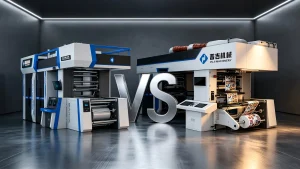
| Feature | Flexography (PuJi Standard) | Offset Lithography | Digital Printing |
| Substrate Variety | Extremely High (Films, Cardboard, Foil) | Low (Paper and smooth board) | Moderate (Mostly paper) |
| Running Speed | Very High (Mass Production) | High | Low to Moderate |
| Ink Costs | Low | Moderate | High |
| Initial Setup Cost | Moderate (Plate costs) | High | Very Low |
| Durability | High (Varnish/Coating integrated) | Moderate | Moderate |
Analyzing Productivity and Cost-Efficiency
The data in the table highlights why Flexo is the go-to for high-volume carton production. While Digital Printing is great for a few hundred “concepts,” it becomes prohibitively expensive for millions of units due to ink costs. Flexography strikes the perfect balance. Once the plates are made, the cost per carton drops significantly. Furthermore, flexo presses can be “in-line,” meaning the machine can print, varnish, laminate, and even die-cut the carton in a single continuous pass. This “all-in-one” capability of PuJi machinery reduces labor costs and speeds up the “Concept to Carton” timeline significantly.
Substrate Versatility and Retail Impact
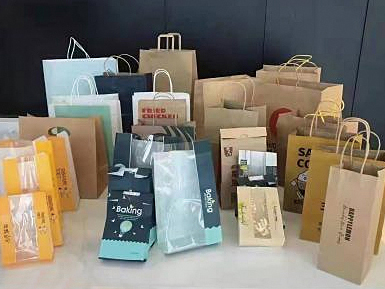
Perhaps the greatest advantage noted in the comparison is Substrate Variety. Packaging designers are no longer limited to white paper. Flexo allows them to print on metallic backgrounds for premium drinks or heavy-duty brown kraft paper for eco-friendly shipping. Because the plates are flexible, they can “kiss” the surface of corrugated board without crushing the delicate “flutes” (the wavy inner layer of cardboard). This ensures the carton maintains its structural integrity and protective strength while still looking beautiful.
The Finishing Touch: Converting to Carton
Printing is only half the battle. Once the material is printed, it is still a “web” or a large roll. The “Carton” phase involves converting that flat, printed material into a three-dimensional box.
This is where die-cutting comes into play. A “die” (a steel-rule tool) acts like a cookie cutter, stamping out the shape of the box and adding “scores” (creases) where the box will be folded. Many PuJi machines integrate this die-cutting station directly into the printing line. After being cut, the excess material is stripped away, and the flat “blanks” are sent to a folder-gluer. Here, high-speed belts fold the carton and apply adhesive at thousands of units per hour. The result is a flat-packed carton, ready to be filled with products.
Why Choose PuJi Packaging Machinery?
Navigating the complexities of the flexo process requires a partner who understands the mechanical nuances of the industry. At PuJi Packaging Machinery, we specialize in providing the equipment that makes the “Concept to Carton” journey possible. Our machines are engineered for:
-
Precision Registration: Ensuring colors align perfectly every time.
-
Energy Efficiency: Reducing the carbon footprint of your packaging plant.
-
Operator Safety: Intuitive controls that minimize human error.
-
Scalability: From entry-level presses to industrial-scale converting lines.
FAQs
What makes flexo better than digital for carton printing?
While digital is great for small batches, flexography is far more cost-effective for high-volume runs. Flexo also supports a much wider range of inks (like metallic and fluorescent) and can print on rougher substrates like corrugated board that digital printers struggle to handle.
Can flexo printing handle photographic images?
Yes. Thanks to advancements in “High Definition Flexo” and precision plate-making, modern flexo presses can print high-resolution images and gradients that rival offset quality, making it perfect for high-end retail cartons.
How long do flexo plates last?
Depending on the material and care, a high-quality photopolymer plate can last for millions of impressions. This durability makes flexo incredibly economical for recurring packaging designs.
What is “in-line” converting in the flexo process?
In-line converting means that printing, laminating, varnishing, and die-cutting all happen in a single pass through the machine. This eliminates the need to move rolls between different machines, saving time and reducing the risk of material damage.
Why is ink viscosity important in the flexo process?
Viscosity determines how well the ink transfers from the anilox roller to the plate. If it’s incorrect, the color density will be uneven, or the fine details of the artwork will “fill in” and become blurry. PuJi machines offer systems to monitor and maintain this automatically.
Conclusion
The flexo printing process is a fascinating intersection of art and engineering. By taking a digital concept and applying it to a physical substrate through flexible relief plates, anilox ink delivery, and high-speed conversion, manufacturers can create the billions of cartons that drive global commerce. Understanding the roles of the anilox roller, tension control, and in-line finishing helps businesses choose the right machinery to stay competitive in an ever-evolving market.Flexography is the most efficient method for high-volume packaging production. By using flexible plates and precision ink control via anilox rollers, the flexo process can print on various substrates at incredible speeds. PuJi Packaging Machinery provides the end-to-end solutions needed to turn your digital designs into durable, high-quality cartons.
Ready to revolutionize your packaging production?
Explore the advanced flexo and converting solutions at PuJi Packaging Machinery. Our team is ready to help you optimize your workflow from concept to carton. Contact us today for a consultation and find the perfect machine for your business!