Skip to content
Introduction
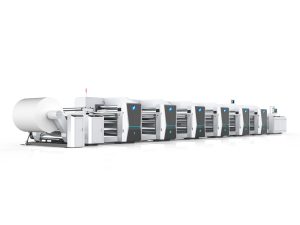
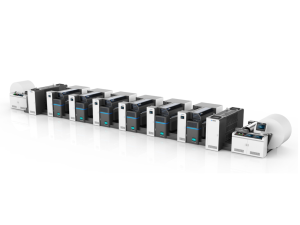
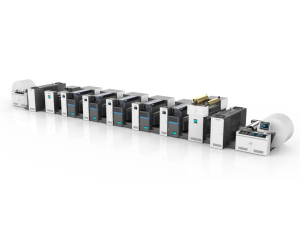
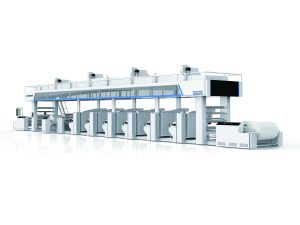
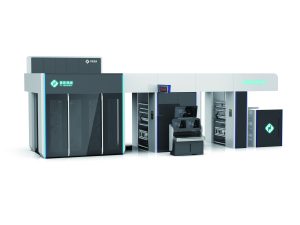
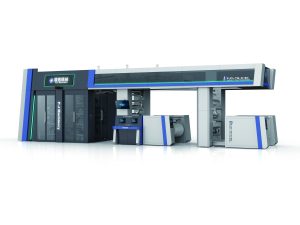
In the fast-paced world of packaging and label production, holding onto outdated equipment can silently drain your profitability and competitive edge. While older machines may have been reliable workhorses, the demands of today’s market—shorter runs, faster turnarounds, and flawless quality—often exceed their capabilities. Recognizing the critical signs that it’s time to replace your old printing machine with a modern flexo press is the first step toward future-proofing your business. For state-of-the-art flexographic solutions, PUJI Flexo Machinery offers equipment engineered to meet these modern challenges.
Declining and Inconsistent Print Quality
One of the most telling signs is a gradual yet persistent decline in print quality. If you are noticing inconsistent color reproduction, fading, streaks, or a lack of dot sharpness, your machine’s core components are likely wearing out. Modern flexo presses, with advanced plate and anilox roller technologies, have closed the quality gap, delivering brilliant, consistent results that rival offset printing.
Frequent Breakdowns and Excessive Downtime
As machines age, they become more prone to unexpected breakdowns. Frequent repairs not only disrupt your production schedule but also hurt your reputation with clients due to delayed orders. Newer presses are built with robust mechanical integrity and sophisticated monitoring systems that ensure higher reliability and consistent uptime.
Soaring Maintenance and Operating Costs
When the cost of keeping an old press running—including expensive, hard-to-find spare parts and service calls—exceeds its value, it’s a clear financial indicator to upgrade. Modern flexo presses offer lower overall operating costs through reduced waste, faster setups, and energy-efficient components. This can significantly improve your total cost of ownership.
Inability to Meet Growing Production Demands
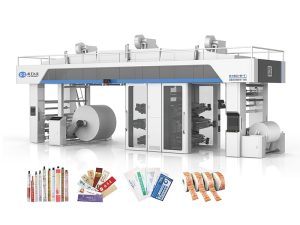
If your current machine cannot keep pace with higher order volumes or handle the wide variety of substrates required by new clients, it is a bottleneck to growth. Modern flexo presses are designed for speed and versatility, handling everything from thin films and foils to paper and cardboard with ease, allowing you to scale your business.
Painfully Slow and Labor-Intensive Job Changeovers
Today’s market demands agility. If your old press requires lengthy, manual changeovers—taking hours to switch between jobs—you are losing valuable production time. Modern flexography has evolved with high-level automation like automated impression and registration setting, drastically reducing setup times and waste.
Incompatibility with Modern Software and Workflows
Older machines often lack the necessary hardware and software to integrate with modern prepress, MIS, or ERP systems, creating workflow silos. Modern flexo presses feature advanced HMI touchscreens, real-time diagnostics, and even Industry 4.0 capabilities for seamless integration and data-driven optimization.
Difficulty Sourcing Critical Spare Parts
As manufacturers phase out support for older models, sourcing essential spare parts becomes a nightmare. This often results in extended lead times, exorbitant costs, and prolonged downtime. Investing in a new press from a reputable manufacturer like PUJI Flexo Machinery ensures a reliable supply of parts and technical support.
Missing Key Capabilities and Market Trends
The market is moving towards shorter runs, premium embellishments, and sustainable practices. If your old press lacks features like quick-change systems, modularity for adding inline finishing, or compatibility with eco-friendly inks, you will struggle to compete. A modern flexo press is built with modularity and future upgrades in mind.
Summary of Replacement Signs
| Sign You Need a New Press | The Problem with Old Equipment | The Flexo Solution |
|---|---|---|
| Declining Print Quality | Worn cylinders, inconsistent color, lack of sharpness. | Advanced plates, anilox rollers, and precision engineering for high-definition output. |
| Frequent Downtime | Unreliable, prone to breakdowns; disrupts production. | Robust build quality, reliable automation, and real-time monitoring for high uptime. |
| High Maintenance Costs | Parts are scarce and expensive; service calls are frequent. | Lower overall operating costs, fewer moving parts, energy efficiency. |
| Limited Production Capacity | Can’t handle higher volumes or new materials. | High-speed, versatile presses that run a wide range of substrates. |
| Slow Changeovers | Labor-intensive, manual setups cause long delays. | Automated setups drastically reduce changeover time and waste. |
| Poor Software Integration | Incompatible with modern digital workflows. | Advanced control systems with Industry 4.0 connectivity. |
| Part Obsolescence | Long lead times for spare parts, “ticking time bomb”. | Guaranteed parts availability and manufacturer support. |
| Missing Market Trends | Can’t handle short runs, premium finishing, or sustainable inks. | Modular platforms for inline finishing and eco-friendly ink compatibility. |
FAQ
How can I tell if my declining print quality is due to the machine or the operator?
While operator skill is always a factor, if print inconsistency, streaks, or registration errors are becoming chronic problems requiring constant manual intervention, it strongly suggests mechanical wear. Modern presses use automation to reduce operator dependency and ensure repeatable quality.
What is a realistic payback period for a new flexo press?
The payback period varies, but for many businesses, the increased productivity, reduced waste, and lower maintenance costs of a new flexo press can justify the investment within 1-3 years. This depends heavily on your current operating costs and growth opportunities.
Are modern flexo presses more difficult to maintain than older mechanical ones?
While they have more complex electronics, modern flexo presses are designed for easier maintenance with logical component layouts, modular designs, and advanced diagnostic systems that quickly identify issues, reducing overall service time.
Can a flexo press handle the short-run work that’s replacing long runs?
Yes. The level of automation in modern flexo presses—with features like quick plate changes and automated register systems—has made them highly efficient for short-to-medium runs, making them a true alternative to digital for many applications.
Conclusion
Your printing equipment is the engine of your business. When that engine starts failing, it’s time to invest in a machine that can power your future. From eliminating costly downtime and inconsistent quality to unlocking new capabilities, modern flexography offers a clear path to enhanced profitability and growth. If you recognize these signs, the next step is clear. Explore the high-performance flexographic solutions from PUJI Flexo Machinery at https://www.pujimachinery.comand invest in the future of your printing operations.