Skip to content
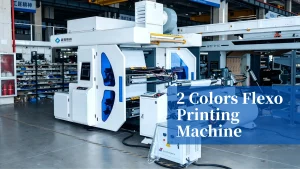
Starting a packaging venture is exciting, but finding the right flexographic printing press for sale can be overwhelming. You need a balance between performance and cost. Whether you are looking for a competitive flexo printing machine price or a high-end CI flexo printing machine, making an informed choice is crucial for long-term success. This guide helps you navigate the technical landscape to find the perfect equipment for your production goals.
Understanding the Shift in Modern Packaging
When you step into the world of industrial printing, you are not just buying a machine; you are investing in a production partner. The demand for flexible packaging is skyrocketing, and your ability to deliver high-quality, vibrant prints on various materials will define your market position. For a first-time buyer, the goal is to find an automatic flexographic printing machine that offers a steep learning curve and high operational efficiency.
The industry has evolved significantly. Modern equipment now integrates smart sensors and servo-driven systems that were once reserved only for the highest-end models. As you evaluate your options, remember that the “best” machine isn’t the most expensive one—it’s the one that aligns perfectly with your specific substrate needs and output requirements.
Identify Your Primary Substrates
Before looking at mechanical specs, you must define what you will be printing on. Flexography is famous for its versatility, but not every machine handles every material equally. Are you focusing on PE/PP films, paper, aluminum foil, or non-woven fabrics?
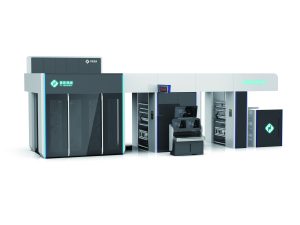
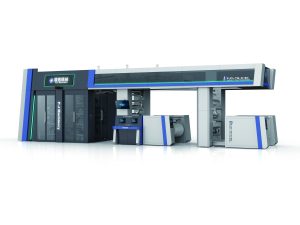
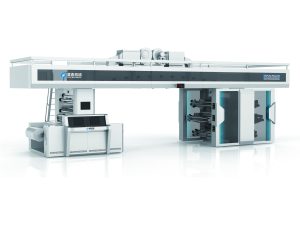
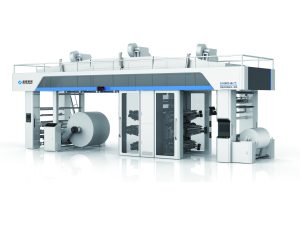
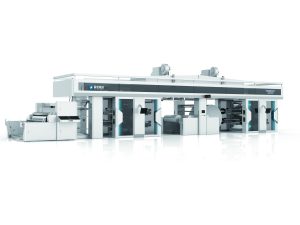
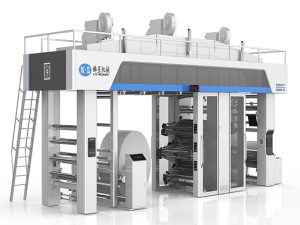
If your business focuses on thin, stretchable films for food packaging, a CI flexo printing machine (Central Impression) is almost always the superior choice. Because the substrate is locked onto a single large central drum, it prevents the material from stretching between color stations, ensuring perfect registration. On the other hand, if you are printing on heavy paper or corrugated board, a stack-type or in-line press might offer the cost-effective flexibility you need.
The Power of Registration: Gearless vs. Geared
One of the most significant decisions you will make involves the drive system. Traditional geared machines are reliable and often come at a more accessible flexo printing machine price. However, they are limited by fixed “steps” in print length and can suffer from mechanical wear over time, leading to “gear marks” on high-quality designs.
In contrast, modern gearless flexo printing machines use direct-drive servo motors. This technology allows for:
- Infinite repeat lengths (not restricted by gear teeth).
- Faster setup times with digital memory for jobs.
- Reduced maintenance since there are no mechanical gears to lubricate or replace.
For a first-time owner, gearless technology significantly reduces the “human error” factor in alignment.
Comparing Machine Configurations
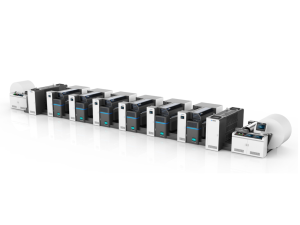
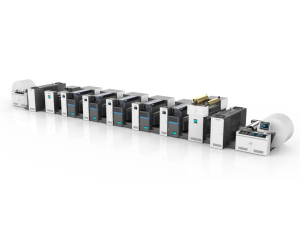
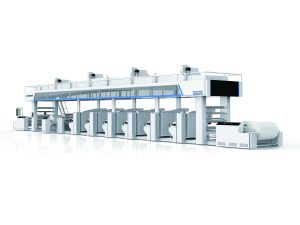
Understanding the physical layout of the machine is vital for your factory floor planning and your production quality. Most buyers choose between CI, Stack, and Inline configurations.
| Feature | CI (Central Impression) | Stack Type | Inline / Modular |
| Registration Accuracy | Extremely High (Best for thin films) | Moderate | High (Great for labels) |
| Footprint | Large | Compact / Vertical | Long / Horizontal |
| Color Capability | Typically 4, 6, or 8 colors | 1 to 6 colors | Virtually unlimited |
| Best Application | High-speed flexible packaging | Simple bags, shopping bags | Labels, folding cartons |
| Ease of Operation | Automated / High-tech | Manual / Straightforward | Modular / Versatile |
Color Requirements and Ink Systems
As you browse flexo press manufacturers, you will see options ranging from a 4 color flexo printing machine to 10-color giants. For your first machine, a 6-color or 8-color configuration is usually the “sweet spot.” This allows you to run standard CMYK plus two spot colors (like brand-specific oranges or greens) without having to wash up and change inks constantly.
Furthermore, consider the ink system. Will you use water-based inks (eco-friendly, great for paper), solvent-based inks (fast-drying, vivid on plastics), or UV inks (instant curing, high gloss)? Your choice of ink affects the drying system you need on the machine. Ensure your manufacturer provides high-capacity drying tunnels to prevent “set-off” or smearing at high speeds.
Production Speed and Capacity
You must match the machine’s speed with your sales volume. While it is tempting to buy the fastest machine available, remember that higher speeds require more skilled operators and more expensive peripheral equipment (like automatic turret unwinders).
A standard high-quality automatic flexographic printing machine for a first-time buyer usually operates between 150m/min and 300m/min. This range provides a massive leap in productivity compared to manual processes while remaining manageable for a new team. Check the maximum web width as well; 600mm to 1200mm is the industry standard for most flexible packaging applications.
Automation and Waste Reduction
In the modern market, profit is found in the margins. Waste during job changeovers is the “silent killer” of printing businesses. When choosing your equipment, look for features that minimize waste:
- Auto-Pre-Register: The machine automatically aligns the plates before you start the full run.
- Vision Systems: Cameras that allow you to inspect the print quality on a monitor at high speeds.
- Memory Functions: Save the settings for a specific job so you can replicate it perfectly six months later with the push of a button.
Manufacturer Reliability and After-Sales Support
Your first machine will have a learning curve. Choosing a partner like PuJi Packaging Machinery ensures you have access to decades of engineering expertise. With over 20 years of experience and a 50,000-square-meter facility, we focus on providing robust, high-precision equipment that doesn’t just run—it thrives.
When evaluating flexo press manufacturers, ask about:
-
Installation Support: Do they send engineers to your site?
-
Parts Availability: Can you get replacement doctor blades or rollers quickly?
-
Training: Will they teach your staff how to maintain the tension control and ink viscosity?
Key Checklist for Your First Purchase
To simplify your decision, keep these points in mind during your consultation:
- Anilox Rollers: Ensure the machine comes with high-quality ceramic anilox rollers suited for your specific line screen requirements.
- Tension Control: Look for multi-point automatic tension control to prevent substrate wrinkling.
- Drying Efficiency: Verify the hot air or UV drying capacity matches the maximum rated speed of the press.
- Expansion Room: Ensure the machine’s footprint allows for future additions, like a cold foil station or a laminating unit.
FAQs
Q: Is a CI flexo machine worth the higher investment compared to a stack flexo?
A: Yes, if you plan to print on thin plastic films or require high-precision multi-color registration, the CI configuration is essential to prevent material stretching and waste.
Q: What is the average lifespan of a professional flexographic printing press?
A: A well-maintained machine from a reputable manufacturer like PuJi can easily operate for 15–20 years with regular servicing and component upgrades.
Q: Can I run both paper and plastic on the same machine?
A: Most modern flexo presses can handle both, provided the tension control system is versatile enough and the ink/drying systems are compatible with both substrates.
Q: How many operators are needed to run an automatic flexographic printing machine?
A: Typically, one lead operator and one assistant are sufficient to manage the setup, ink mixing, and roll changes for a standard production line.
Conclusion
Investing in your first press is a major milestone that dictates the future of your production capabilities. By prioritizing substrate versatility, registration accuracy, and choosing reliable manufacturers like PuJi Packaging Machinery, you ensure long-term profitability and high-quality output. Ready to elevate your packaging game? Explore our range of high-performance label printing equipment and CI presses today. Visit PuJi Machinery to request a customized quote and take the first step toward printing excellence.