The Role of Gearless Technology in Modern High-Speed CI Flexo Presses
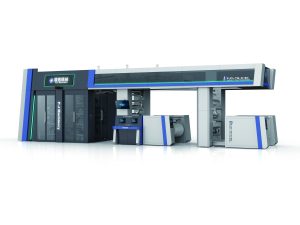
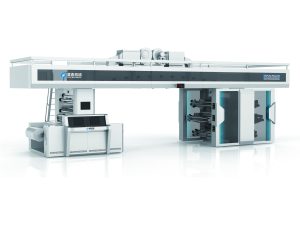
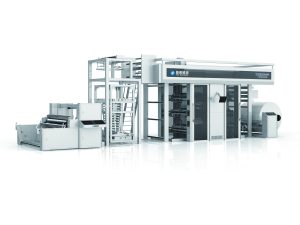
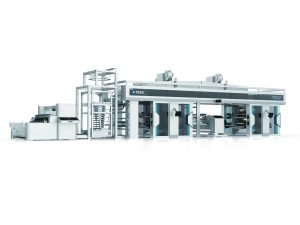
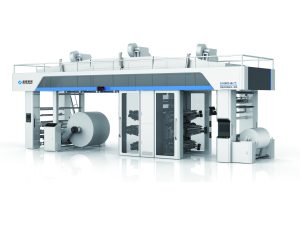
In the fast-evolving world of flexographic printing, achieving unparalleled speed, precision, and reliability is paramount for brands and converters aiming to stay competitive. One technological advancement that has fundamentally transformed modern Central Impression (CI) flexo presses is the integration of gearless drive systems. Unlike traditional geared mechanisms, gearless technology utilizes independent, servo-driven motors for each […]
Why Large-Scale Milk and Juice Packaging Brands Prefer High-Speed CI Machines
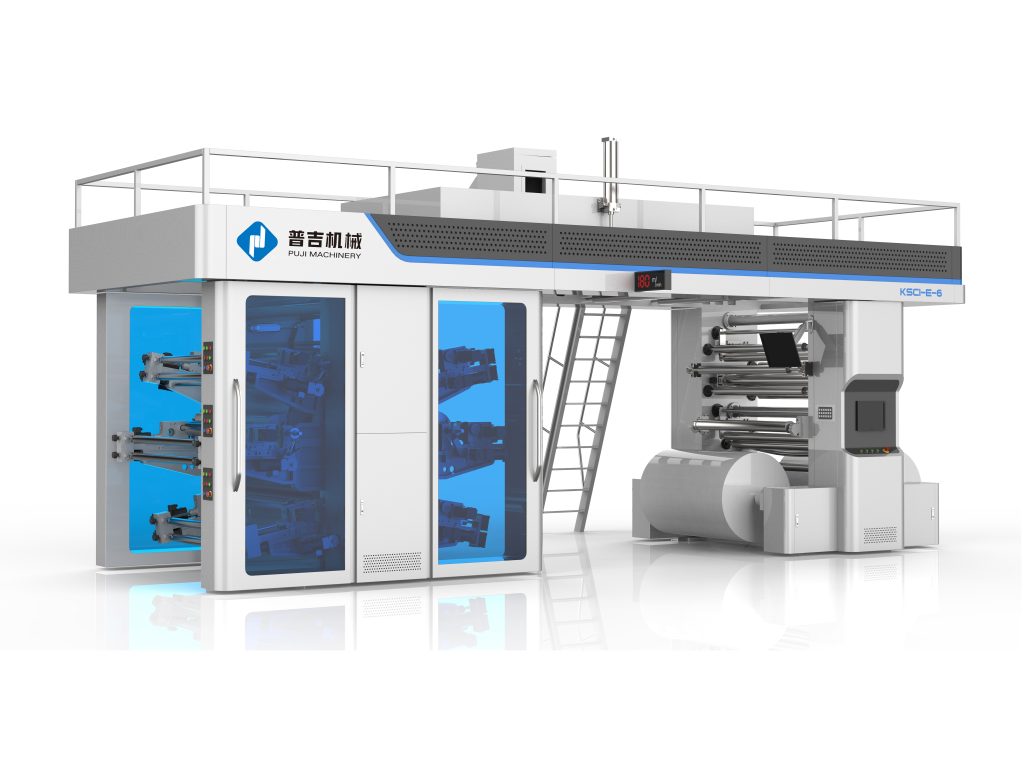
In the competitive world of beverage packaging, large-scale brands face immense pressure to deliver high-quality, durable, and visually appealing packaging while maintaining tight production schedules and cost efficiency. For milk and juice packaging—where shelf life, hygiene, and visual appeal are critical—the choice of printing technology can make or break a brand’s success. This is why […]
Economic CI Flexo: How to Get High-End Print Quality on a Limited Budget
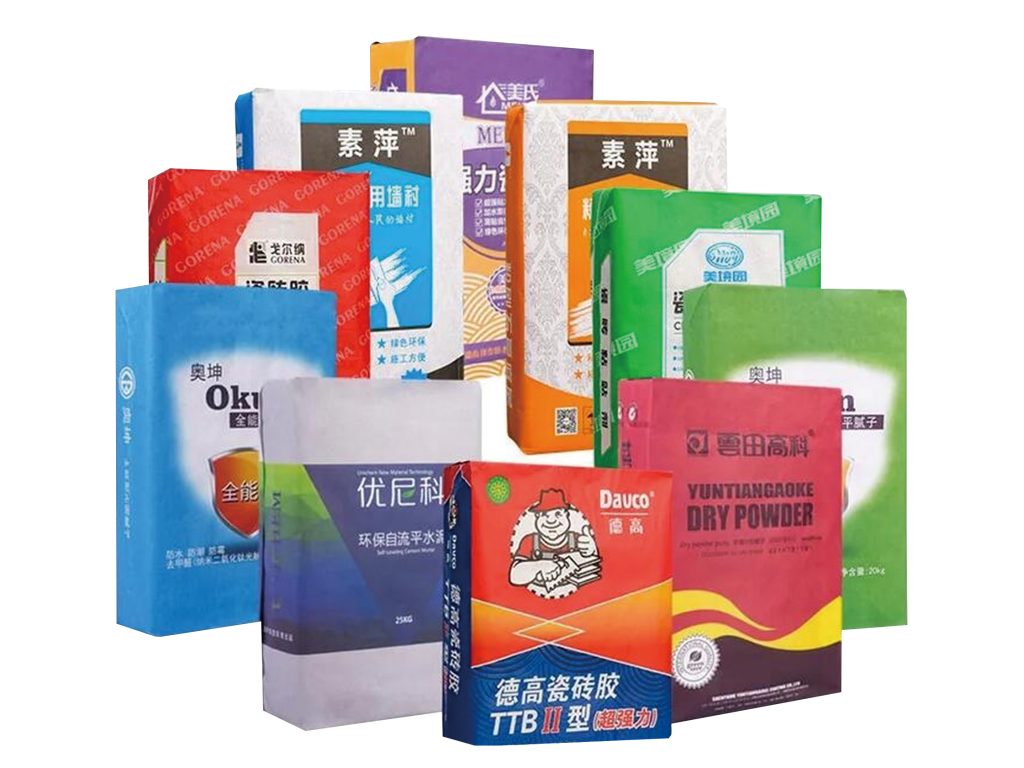
In the competitive world of packaging and printing, achieving high-end print quality with a limited budget often feels like an impossible challenge. Many businesses believe that superior results on CI flexo presses require massive investments in premium materials and technology. However, with strategic planning and smart choices, it’s entirely possible to produce crisp, vibrant, and […]
Why CI Flexo Printing is the Gold Standard for Thin Plastic Films

In the flexible packaging industry, printing quality, consistency, and efficiency are critical—especially when working with thin plastic films. Among all available technologies, CI flexo printing (Central Impression Flexographic Printing) has become the gold standard for packaging manufacturers worldwide.With advantages in print stability, color accuracy, high-speed production, and material versatility, CI flexo printing is widely used […]
High-Speed Servo vs. Gear-Drive CI: Which One Fits Your Budget?
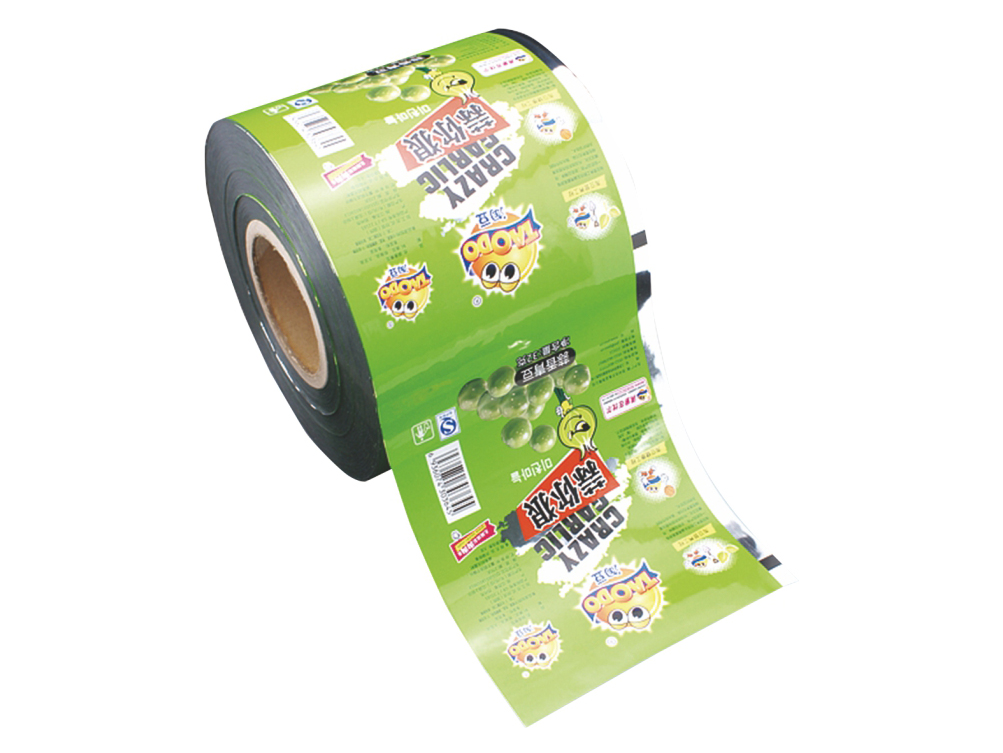
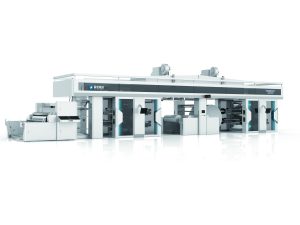
Choosing the right Central Impression (CI) flexo press is one of the most significant investments a flexible packaging business will ever make. As you browse through efficient flexo printing solutions, the debate usually boils down to two distinct technologies: High-Speed Servo and traditional Gear-Drive. At PuJi Machinery , we understand that balancing upfront capital expenditure […]
How Flexographic Printing Makes Your Packaging More Attractive
In a crowded marketplace, your product’s packaging is often its first—and sometimes only—chance to make a sale. Attractive packaging does more than just hold a product; it tells a story, conveys quality, and creates an instant emotional connection. Flexographic printing has emerged as a leading force in creating this vital shelf appeal. By offering a […]
6 Everyday Products You Didn’t Know Were Made With Flexography
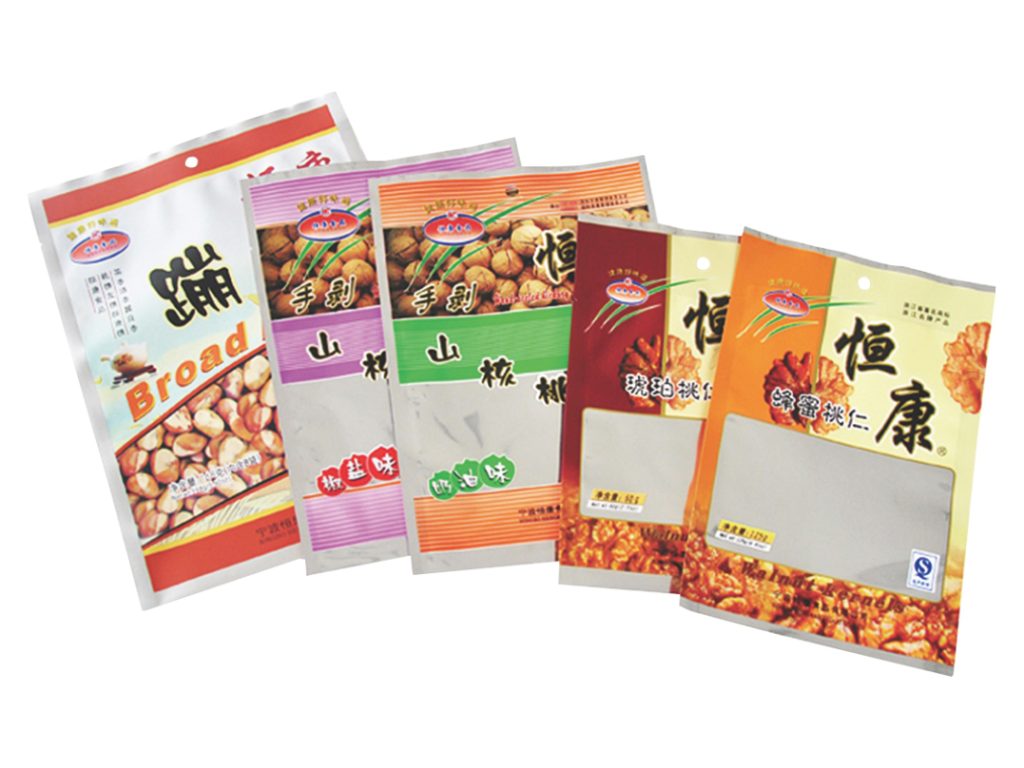
Flexography, or flexo printing, is one of the most widespread and versatile printing processes in the world. While offset and digital printing often get more attention, it is flexography that quietly delivers the vibrant, durable graphics on countless items we use daily. Understanding its vast applications not only highlights the technology’s importance but also showcases […]
10 Essential Tips to Optimize Your Stack Press Performance
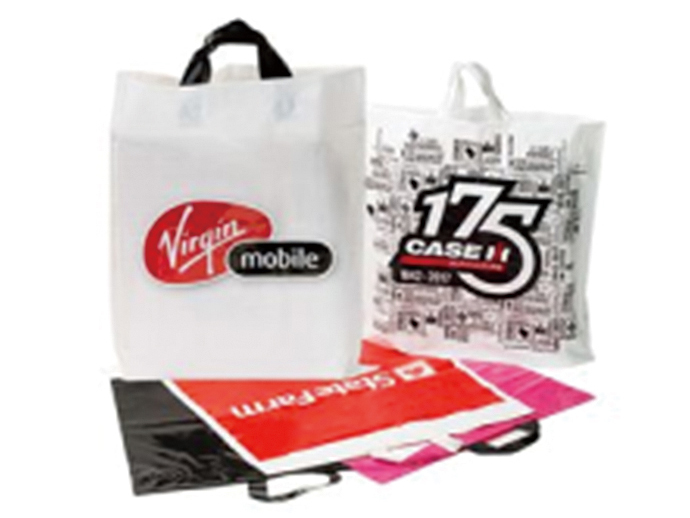
Investing in a stack press is a major step toward a more efficient print shop. To truly maximize your return on investment, it’s crucial to operate and maintain it correctly. Like any precision equipment, a stack press performs best when treated with care and knowledge. Here are ten practical, expert-backed tips to ensure your stack […]
6 Reasons Many Print Shops Choose Stack Press
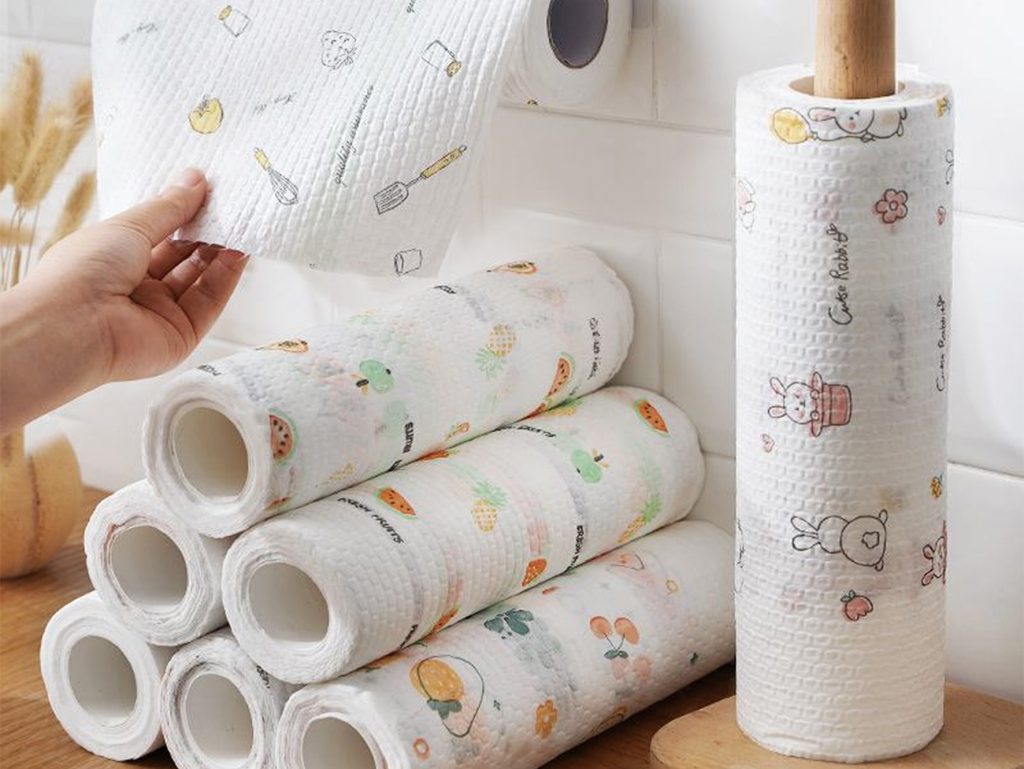
In today’s competitive printing market, efficiency and quality are not just goals—they are the baseline for survival and growth. As print shops evaluate investments to streamline operations, one piece of equipment consistently stands out: the stack press. Far from being a niche accessory, it has become a strategic asset for forward-thinking businesses. Let’s explore the […]
5 Applications Best Suited for Stack Press Printing
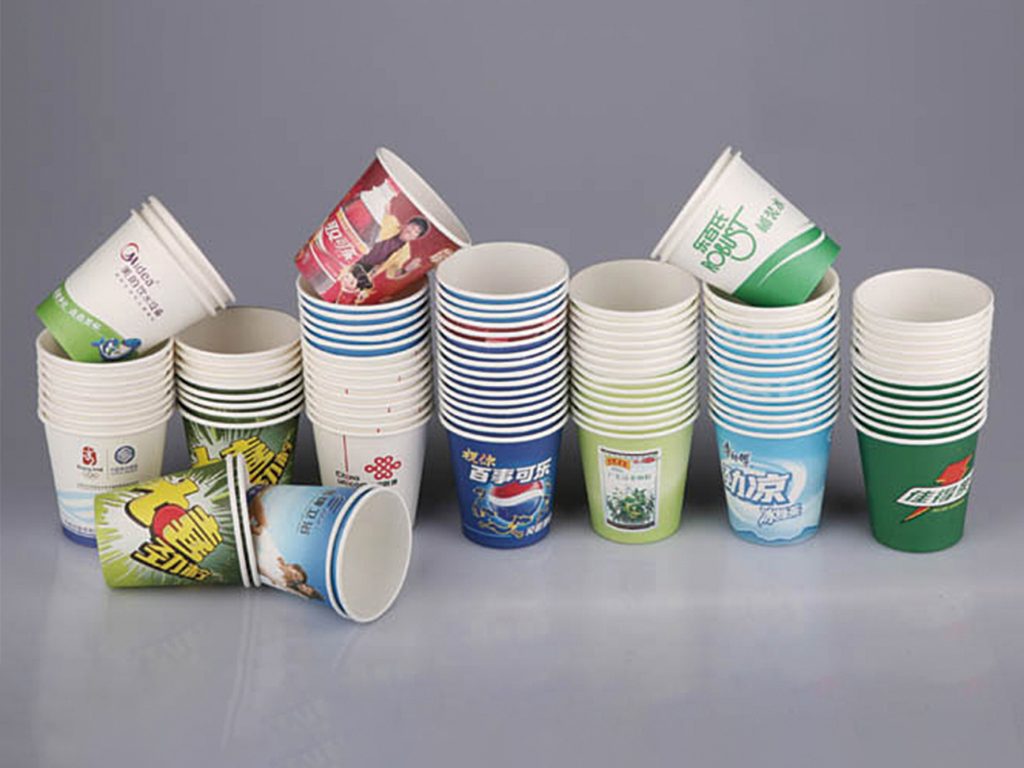
A stack press is a transformative tool for any print shop performing double-sided work. While its benefits are clear, understanding where it delivers the most value helps you maximize your investment. This technology isn’t just for one type of job; it excels in specific applications where precision, efficiency, and consistency are paramount. Here are the […]