Skip to content
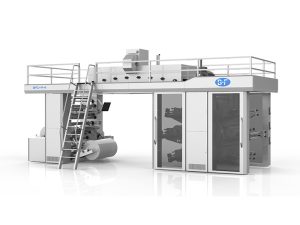
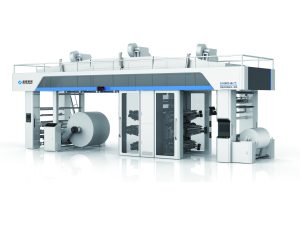
Are you looking to upgrade your production line with a high-performance inline flexo press? Understanding the mechanical anatomy of your equipment is the first step toward achieving flawless print quality and operational efficiency. When browsing for a flexographic printing press for sale, you need to know exactly which components drive value and reduce downtime. This guide breaks down the six essential parts of an inline system, helping you make an informed decision for your next packaging machinery investment.
The Strategic Value of Inline Configuration
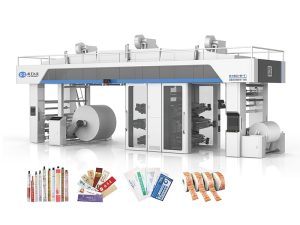
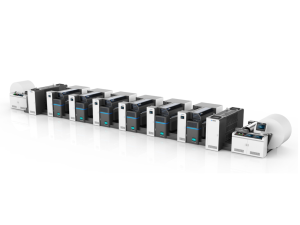
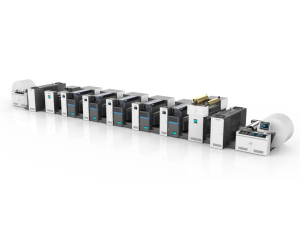
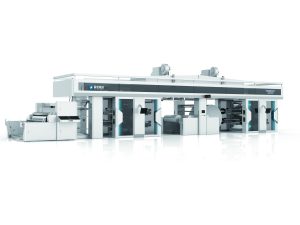
In the world of professional printing, the inline configuration is prized for its versatility. Unlike stack or CI presses, an inline machine arranges its printing units horizontally. This layout allows you to integrate various finishing processes—like die-cutting, laminating, and slitting—directly into the production flow. For procurement teams and factory managers, this means a single automatic flexo press can take a raw substrate and turn it into a finished, shelf-ready product in one pass.
However, the complexity of these machines means that the quality of individual components determines your overall success. If one part of the chain fails, the entire line stops. By mastering the functions of these six key parts, you can better evaluate a flexo printing machine price and ensure you are paying for durability and precision rather than just a brand name.
The Unwind Station and Tension Control System
Your printing journey begins at the unwind station. While it might seem like a simple holder for your raw material rolls, it is actually one of the most critical parts of the machine. The primary job of this station is to manage “web tension.”
If the tension is too loose, the substrate will wander, causing registration errors where colors don’t line up. If it is too tight, the material may stretch or snap, leading to costly waste. High-quality automatic flexo press models from PuJi Machinery feature sophisticated electronic sensors and magnetic powder brakes that adjust tension in real-time. This ensures that whether you are running a full 1000kg roll or reaching the end of the core, the material enters the printing units with absolute stability.
The Inking System: Anilox Rollers and Doctor Blades
If the press is the body, the inking system is its heart. This system consists of two primary components: the Anilox roller and the Doctor blade chamber.
The Anilox roller is a ceramic-coated cylinder engraved with millions of microscopic cells. Its sole purpose is to deliver a precise, measured volume of ink to the printing plate. When you are looking at label printing equipment, the “cell volume” of the Anilox roller determines how vibrant your colors will be.
Working in tandem with the Anilox is the Doctor blade. This is a sharp, flexible blade that “wipes” the excess ink off the surface of the Anilox roller, leaving ink only inside the cells. A high-precision chambered doctor blade system prevents ink evaporation and ensures that the ink remains clean from dust and debris, which is vital for long production runs.
The Plate Cylinder
The plate cylinder is where your design comes to life. This is the part that holds the flexible photopolymer printing plate. In modern inline systems, these cylinders are designed for quick changes.
For a business handling multiple small orders, the ease of mounting and dismounting these cylinders is a major factor in ROI. Look for machines that offer “sleeve technology.” Instead of removing the entire heavy cylinder, you simply slide a lightweight sleeve off the mandrel. This reduces changeover time from hours to minutes, significantly boosting your daily output.
The Impression Cylinder
The impression cylinder provides the “backbone” for the print. It sits directly opposite the plate cylinder, and the substrate passes between the two. The impression cylinder applies a controlled amount of pressure, forcing the substrate against the inked plate.
In an inline flexo press, the precision of this cylinder is paramount. Any “run-out” or slight deviation in its roundness will cause uneven printing or “ghosting” effects. High-end flexo press manufacturers like PuJi Machinery use high-grade steel and precision grinding to ensure these cylinders provide a perfectly smooth surface for years of operation.
The Drying System
Flexo inks, whether they are water-based or solvent-based, must dry almost instantly to prevent smearing at high speeds. Between each color station in an inline press, there is an “inter-color dryer.”
Most modern machines use a combination of:
- High-Velocity Hot Air: To evaporate solvents or water.
- UV Curing: Using ultraviolet light to instantly harden UV-curable inks (common in high-end label printing).
An efficient drying system allows you to run your flexographic printing machine at its maximum rated speed without the risk of “set-off” (ink transferring to the back of the web when it is wound back up).
The Rewind and Finishing Station
The final stage of the inline press is the rewind station, but in an inline setup, this area often includes much more. Because of the horizontal layout, manufacturers can add modular units here.
You might find rotary die-cutters that cut the labels into their final shapes, waste matrix strippers that pull away the excess paper, or even a solvent-free laminating machine unit that adds a protective clear film over the print. This “all-in-one” capability is why the inline press is the preferred choice for the label and tag industry.
Comparison of Key Components and Maintenance
| Component | Primary Function | Maintenance Level | Impact on Quality |
| Unwind Station | Web tension and alignment | Low | High (Affects Registration) |
| Anilox Roller | Precise ink metering | High (Requires cleaning) | Superior (Affects Color Density) |
| Plate Cylinder | Holds the artwork | Moderate | Critical (Affects Image Clarity) |
| Impression Cylinder | Provides pressure support | Low | High (Affects Uniformity) |
| Drying System | Sets the ink instantly | Moderate | High (Prevents Smearing) |
| Rewind Station | Finished roll collection | Low | Moderate (Affects Roll Tightness) |
Why Component Quality Matters for Your Business
When you evaluate a flexographic printing press for sale, it is easy to get distracted by the maximum speed or the number of colors. However, your long-term profitability depends on the “little things.”
-
Durability: Are the gears made of hardened alloy?
-
Precision: Does the tension control use Japanese or European sensors?
-
Serviceability: Can your operators easily reach the Anilox rollers for cleaning?
At PuJi Packaging Machinery, we have spent over 20 years refining these six key parts. Our 50,000-square-meter facility is dedicated to engineering packaging machinery that stands up to the rigors of 24/7 industrial production. We understand that for a procurement manager, the best machine is the one that stays running. That is why we focus on heavy-duty frames to eliminate vibration and high-end electronic components to ensure that your automatic flexo press delivers the same quality on day 1,000 as it did on day 1.
Optimizing Your Inline Production
To get the most out of these six parts, you should also consider the environmental factors in your shop. Proper temperature control and dust management play a huge role in how the inking and drying systems perform. Regular training for your operators on how to handle the Anilox rollers and plate cylinders can prevent 90% of common printing defects.
If you are expanding into new markets, such as flexible food packaging or pharmaceutical labels, the modularity of the inline press allows you to grow. You can start with a basic 4-color setup and eventually add more stations or specialized drying technology as your customer base evolves.
FAQs
Q: How often should the Anilox rollers be cleaned?
A: Anilox rollers should be cleaned superficially after every shift and undergo a deep ultrasonic or chemical clean once a week to prevent dried ink from plugging the microscopic cells.
Q: Can I run different materials like paper and plastic on the same inline press?
A: Yes, provided the machine has a versatile tension control system and the drying capacity is sufficient for the specific ink/substrate combination you are using.
Q: What is the most common cause of registration issues in an inline press?
A: Poor tension control at the unwind station or worn-out bearings in the plate cylinders are usually the primary culprits.
Q: Is it worth investing in a UV drying system?
A: If you are producing high-end labels or packaging that requires a high-gloss finish and instant durability, UV curing is a highly valuable addition that pays for itself in quality and speed.
Conclusion
Understanding the internal workings of your inline flexo press empowers you to maintain higher standards and choose the right equipment for your growth. From the precision of the Anilox roller to the stability of the unwind station, every part plays a vital role in your success. At PuJi Packaging Machinery, we provide robust, high-precision solutions designed to elevate your production capabilities. Ready to see the difference that world-class engineering makes? Explore our range of automatic flexo press technology and find your next competitive advantage. Visit PuJi Machinery today to request a detailed quote and expert consultation.