Skip to content
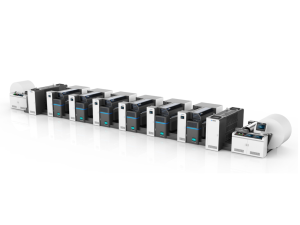
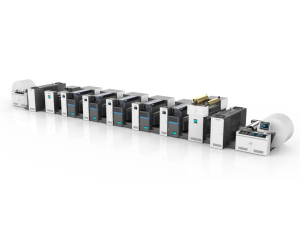
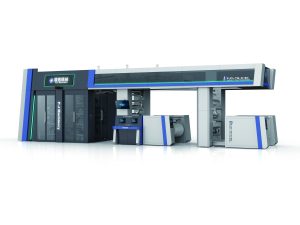
Are you looking for the most efficient way to scale your production and meet rising market demands? Finding a high-quality flexographic printing press for sale is often the turning point for a growing brand. As the global need for sustainable and vibrant packaging increases, choosing the right packaging machinery becomes a critical strategic decision. Flexography offers the perfect balance of speed, cost-efficiency, and quality, making it the industry standard for modern manufacturers ready to dominate the market.
The Modern Packaging Revolution
In the current landscape, your packaging is more than just a container; it is a vital part of your brand’s identity. Whether you are producing food pouches, beverage labels, or corrugated boxes, the technology you use to print these items determines your profit margins. You need equipment that is fast enough to handle massive orders but precise enough to maintain brand colors across millions of impressions.
For decades, flexography was seen as a simple “rubber stamp” process. Today, it has evolved into a high-tech powerhouse. Modern flexo press manufacturers have integrated servo-driven motors, digital controls, and advanced ink delivery systems that rival any other printing method. If you are ready to take your business to the next level, here are 10 reasons why a flexographic system is your best investment.
Unmatched Versatility of Substrates
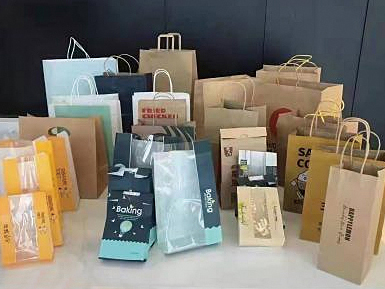
One of the primary reasons you should choose flexography is its ability to print on almost anything. Unlike offset or digital printing, which can be picky about surface tension and thickness, a flexo press is a “omnivore.”
- Plastic Films: PE, PP, PET, and BOPP.
- Paper and Board: From lightweight tissue to heavy corrugated cardboard.
- Foils and Metallics: Essential for high-end food and pharmaceutical packaging.
- Non-Woven Fabrics: Used extensively in the hygiene and medical sectors.
This versatility means you can pivot your business to follow market trends without needing to buy a new machine for every different material.
High-Speed Production for Massive ROI
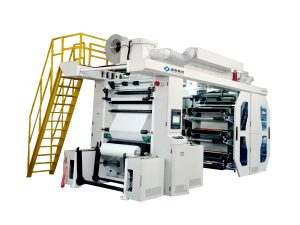
In your business, time is literally money. Flexographic machines are built for speed. While a digital printer might struggle to keep up with large-scale industrial orders, an automatic flexographic printing machine can easily run at speeds between 150 to 400 meters per minute.
This high-speed capability allows you to fulfill large contracts in a fraction of the time, freeing up your schedule for more clients. When you calculate the flexo printing machine price against the sheer volume of output it produces, the return on investment (ROI) is significantly faster than almost any other equipment in your facility.
Superior Registration with CI Technology
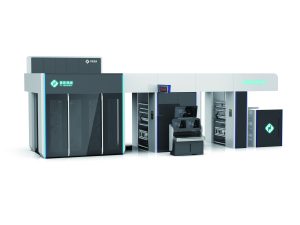
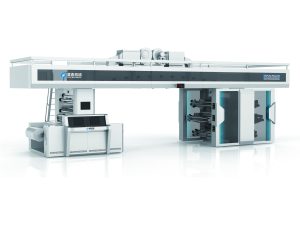
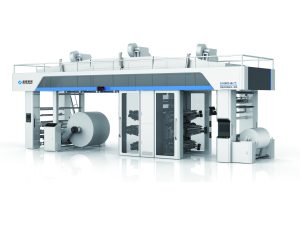
If you are printing on thin, stretchable plastic films, you know how difficult it is to keep colors aligned. This is where the CI flexo printing machine (Central Impression) shines. By locking the substrate onto one large central drum, the material is supported throughout the entire printing process. This prevents the “stretch” that ruins registration on lesser machines. You get crisp, sharp images and perfect color overlapping every single time, which is essential for professional-grade food and beverage packaging.
Cost-Effectiveness for Medium to Long Runs
While digital printing is great for 100 labels, it becomes prohibitively expensive when you need 100,000 or 1,000,000 units. Flexography is designed for these high-volume “sweet spots.” Once your plates are made and the machine is set up, the cost per unit drops dramatically. The durability of modern photopolymer plates means you can run millions of impressions before needing a replacement, making it the most economical choice for your most popular product lines.
Integration of Inline Finishing
Efficiency isn’t just about how fast the ink hits the paper; it’s about how quickly you get a finished product. Many modern flexo systems allow you to integrate “finishing” stations directly into the press.
- Die-Cutting: Cut labels into their final shapes instantly.
- Lamination: Apply protective films in the same pass.
- Slitting: Divide a wide master roll into smaller, usable widths.
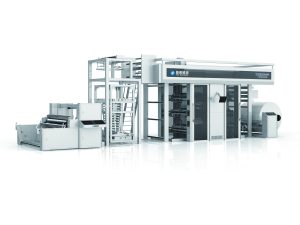
By using an automatic flexo press with inline capabilities, you eliminate the need for secondary processes, reducing labor costs and the risk of damage during material handling.
Advancements in Automation and Ease of Use
The era of manual, oily gearboxes is over. Today’s packaging machinery is highly automated. Modern presses feature touchscreen interfaces, job memory functions (where the machine “remembers” the settings for a repeat client), and automatic registration systems. This means you don’t need a 30-year veteran to run the machine; with proper training, a new operator can achieve professional results, reducing your dependence on highly specialized labor.
Eco-Friendly and Sustainable Options
Your customers are demanding “green” solutions, and flexography delivers. You have the choice of using water-based inks, which are free from harmful volatile organic compounds (VOCs). Additionally, UV-curable inks dry instantly with zero emissions. Because flexo machines are so efficient at managing ink usage through Anilox rollers, you produce less chemical waste compared to traditional methods.
Reliability and Durability
When you partner with established flexo press manufacturers like PuJi Machinery, you are buying equipment designed for 24/7 operation. Built with heavy-duty cast-iron frames and high-precision components, these machines are industrial workhorses. A well-maintained flexo press can stay in your production line for 15 to 20 years, providing a stable foundation for your business growth.
Precision Ink Management
The use of ceramic Anilox rollers allows you to control exactly how much ink is transferred to the plate. This level of precision ensures that the first meter of your print looks exactly like the 10,000th meter. For your B-end clients who are strict about brand color consistency (like specific Pantones), this predictability is a major selling point that wins you long-term contracts.
Massive Market Demand for Flexible Packaging
The “flexible packaging” sector is one of the fastest-growing industries in the world. From stand-up pouches to shrink sleeves, the demand is only going up. By investing in label printing equipment and wide-web flexo presses, you position your business in the middle of this growth. You aren’t just buying a machine; you are buying a ticket to a multi-billion dollar global market.
Comparison: Flexography vs. Other Methods
To help you understand where flexo fits in your shop, look at this comparison table:
| Feature | Flexographic Press | Digital Printer | Offset Press |
| Ideal Run Size | Medium to Very Large | Small to Medium | Large |
| Printing Speed | Very High (400m/min) | Low to Medium | High |
| Substrate Variety | Almost any material | Limited | Mostly Paper/Board |
| Setup Cost | Moderate (Plates) | Very Low | High |
| In-line Finishing | Excellent | Limited | Moderate |
| Ink Cost | Low | High | Moderate |
Why PuJi Packaging Machinery is Your Best Partner
When you are ready to invest, you need more than just a vendor; you need an engineering partner. With over 20 years of experience and a massive 50,000-square-meter facility, PuJi Packaging Machinery understands the nuances of the printing process. Our machines are designed with a focus on:
-
Precision Engineering: We use high-end components to ensure vibration-free printing.
-
Customization: Whether you need a 2-color basic machine or an 8-color CI masterpiece, we tailor the build to your needs.
-
Global Support: We provide the training and spare parts necessary to keep your production moving across the globe.
By choosing our automatic flexo press technology, you are choosing a machine that is built to evolve with your business. We don’t just sell machines; we provide the backbone for your success in the packaging industry.
Maximizing Your Factory’s Efficiency
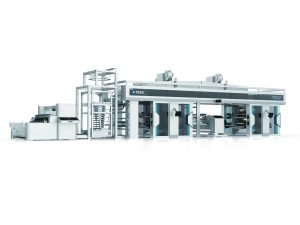
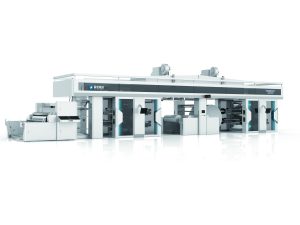
To truly get the most out of your new equipment, consider your factory layout. A modular inline press allows for a “lean” manufacturing flow, where raw materials enter at one end and finished, slit rolls emerge from the other. This reduces the “touches” required by your staff, further lowering the chance of errors. Additionally, integrating a solvent-free laminating machine next to your flexo line can allow you to offer high-barrier food packaging, opening up even more lucrative markets in the pharmaceutical and snack-food industries.
FAQ
Q: Is the flexo printing machine price worth it for a small business?
A: Yes, if your goal is to grow. While the initial investment is higher than small digital units, the low operating cost and high speed mean you can take on bigger jobs that a digital printer simply cannot handle profitably.
Q: How difficult is it to change colors on an automatic flexo press?
A: With modern “easy-clean” ink chambers and sleeve-type cylinders, a full color changeover that used to take hours can now be done in under 30 minutes.
Q: Can a flexo machine handle high-definition photo printing?
A: Absolutely. Using high-line-count Anilox rollers and digital CTP (Computer-to-Plate) technology, modern flexo presses can achieve photo-realistic results that rival gravure printing.
Q: What is the lifespan of the printing plates?
A: Depending on the material and care, a single set of photopolymer plates can typically last for over a million impressions, making the cost-per-print extremely low.
Conclusion
Investing in the right technology is the fastest way to secure your company’s future in the global market. With PuJi Packaging Machinery, you gain a partner dedicated to your success through innovation and reliability. The 10 reasons outlined above demonstrate that flexography is not just a choice—it is the competitive advantage you need to thrive. Don’t let your production fall behind the competition. Explore our high-performance automatic flexo press solutions today and see the difference for yourself. Visit PuJi Machinery to request a customized quote and start your journey toward manufacturing excellence.