Skip to content
Choosing the right flexographic ink can make or break your packaging production. Whether you’re printing on film, paper, or corrugated board, the ink’s behavior defines not just your print quality but your bottom line. Let’s dive into the world of water-based and oil-based flexo inks—two heavyweights in modern packaging—and see which one truly fits your operation’s needs.
Understanding Flexographic Printing
What Makes Flexo Printing So Popular?
Flexography is like the versatile workhorse of the printing world. It’s fast, adaptable, and capable of printing on a huge range of substrates. Think snack wrappers, coffee cups, shipping boxes, and more. At its heart, flexo printing uses flexible relief plates and fast-drying inks, which means high-speed production and consistent results. The real magic, though, lies in the ink you choose. That’s where the difference between water-based and oil-based inks becomes game-changing.
The Ink Dilemma
Inks are more than color. They’re chemistry—each type engineered for a specific surface, drying condition, and environmental standard. For example, if you’re printing on absorbent paperboard, water-based inks might make sense. But for glossy films that repel moisture? Oil-based inks often win.
The Core Difference Between Water-Based and Oil-Based Flexo Inks
Let’s take a quick look at how these two ink types differ at a glance:
| Property | Water-Based Ink | Oil-Based Ink | Drying Speed | Environmental Impact | Typical Applications |
|---|---|---|---|---|---|
| Solvent | Water | Petroleum-based | Moderate to fast | Low VOC emissions | Paper, cardboard |
| Color Strength | Moderate | High | Fast on non-porous materials | Higher VOC emissions | Films, foils, plastics |
| Durability | Good for indoor use | Excellent for outdoor use | Faster with heat or airflow | Depends on formulation | Heavy-duty packaging |
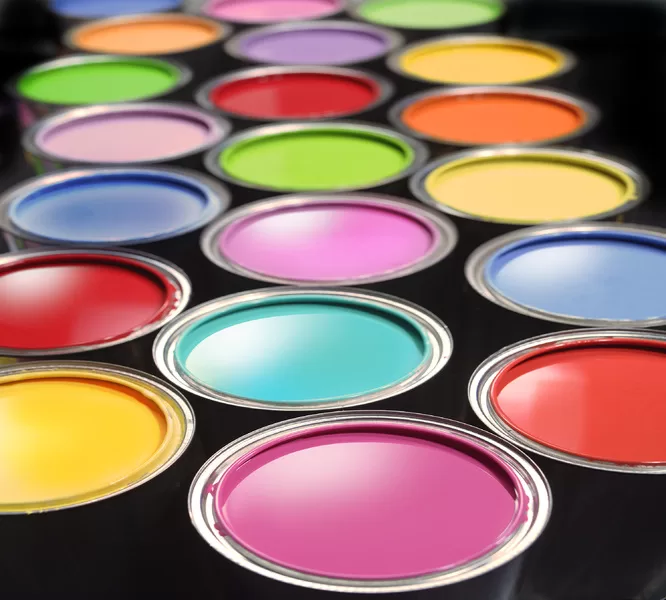
Water-Based Flexo Inks: Eco-Friendly & Cost-Conscious
Why They’re Gaining Popularity
If you’ve noticed more brands touting “eco-friendly packaging,” chances are they’re using water-based flexo inks. These inks replace volatile organic solvents with water, significantly reducing harmful emissions.
Here’s what makes them shine:
-
Low VOC levels – They meet most global environmental regulations without extra filtration systems.
-
Safe for food packaging – Many water-based inks comply with FDA or EU standards for indirect food contact.
-
Easy cleanup – You can clean your press components with water, saving on costly solvents.
-
Stable color on absorbent surfaces – Ideal for corrugated boxes, kraft paper, and carton board.
-
Lower odor – Great for brands emphasizing sustainable, clean production.
Real-world example: A mid-size beverage packaging plant in Malaysia switched from oil-based to water-based inks. Their energy costs dropped 12%, and VOC-related maintenance costs went down by half—without sacrificing print vibrancy.
Still, there’s a trade-off: water-based inks don’t always adhere well to non-porous materials like plastic films. So, if you’re printing on flexible packaging, you might hit a few bumps.
When It’s the Right Choice
If your company prints primarily on paper or board—and you value sustainability—water-based flexo ink could be your perfect partner. It aligns with growing green manufacturing goals while keeping operational costs manageable.
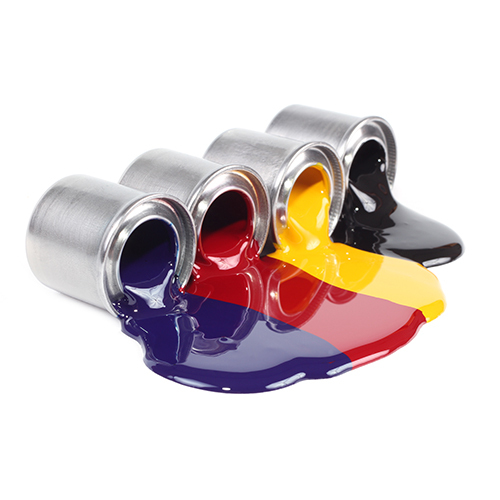
Oil-Based Flexo Inks: The Tough Contender
Why They’re Still in the Game
Despite the global “go-green” push, oil-based flexo inks remain vital—especially for flexible packaging materials that reject water. They offer superior adhesion, color intensity, and chemical resistance.
Here’s what they bring to the table:
-
Brilliant color density – Vivid, saturated tones ideal for premium branding.
-
Excellent adhesion on films – Works on BOPP, PET, and metallic foils.
-
Enhanced rub and chemical resistance – Great for transport-heavy or moisture-prone environments.
-
Fast drying at high speeds – Compatible with modern high-speed flexo presses.
-
Longer shelf stability – Less prone to drying out in ink trays.
The Downside You Can’t Ignore
However, oil-based inks typically have higher VOC levels and require specialized exhaust or filtration systems. Plus, they demand solvent cleaning—adding both cost and complexity to maintenance routines. Still, for premium, glossy finishes or waterproof packaging, these inks deliver unbeatable results.
Performance Comparison: Drying, Durability, and Cost
Breaking Down the Practical Differences
Let’s compare how both inks perform in real production scenarios. It’s not just about sustainability or color—it’s about workflow efficiency and material compatibility.
| Aspect | Water-Based | Oil-Based |
|---|---|---|
| Drying System | Requires heated air; slower on films | Evaporates quickly, even at ambient temps |
| Substrate Range | Paper, corrugated board | Films, foils, laminated materials |
| Durability | Moderate, depending on coating | Excellent, highly resistant |
| Cost per Print | Lower for paper substrates | Higher but more efficient on films |
| Operator Safety | High; minimal fumes | Medium; requires ventilation |
What It Means for Your Operation
If your pressroom focuses on paper-based or corrugated packaging, water-based inks could slash your operational costs while aligning with sustainability goals. But if your business demands premium, film-based packaging with long shelf life and strong barrier protection, oil-based inks might justify the extra handling.
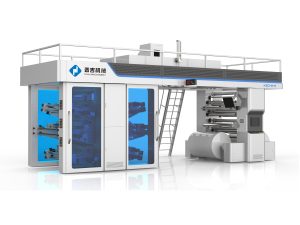
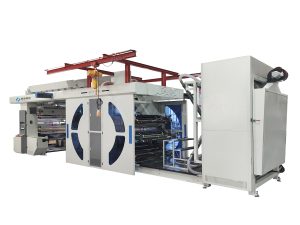
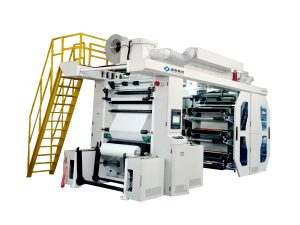
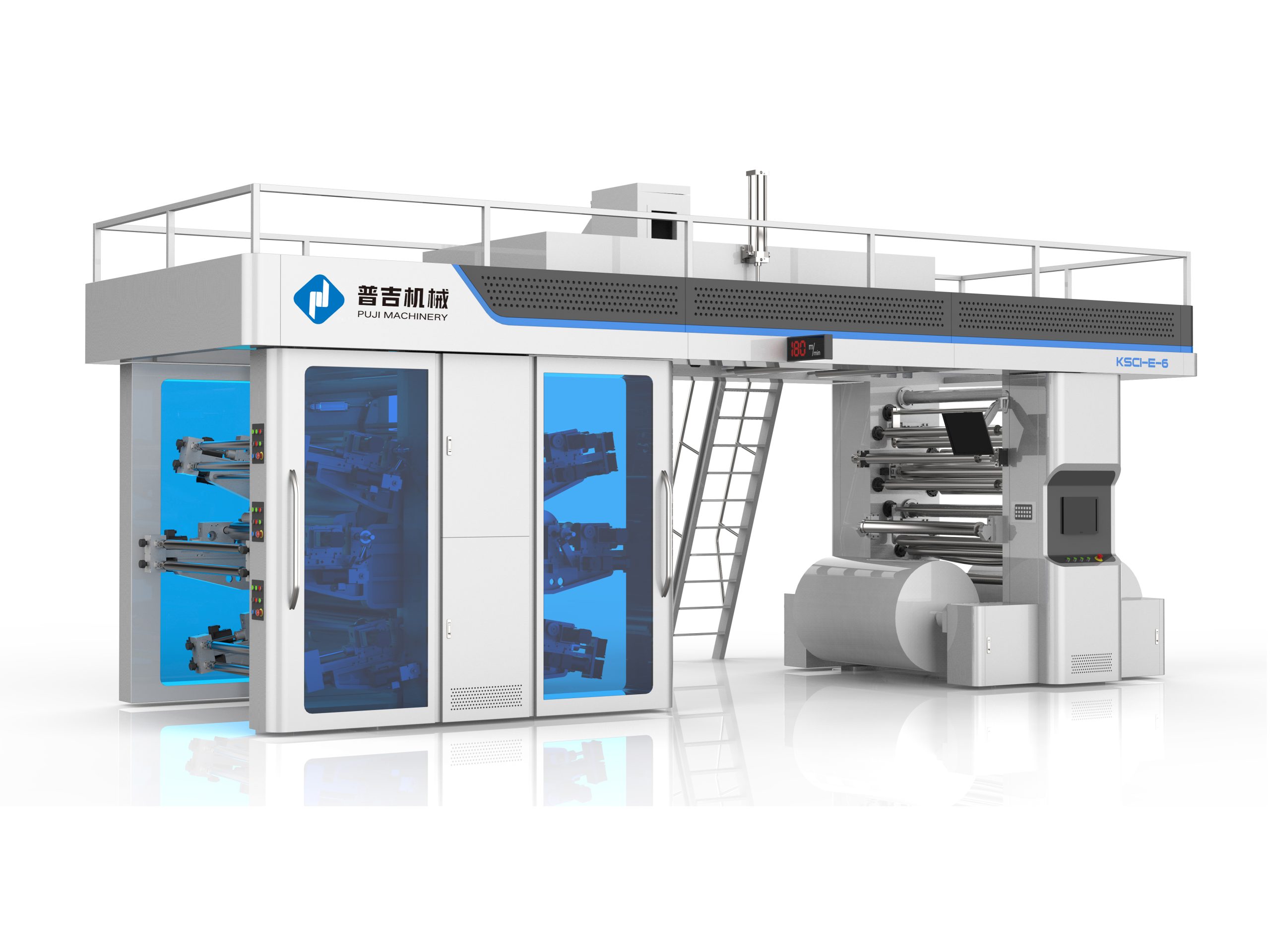
PuJi Packaging Machinery’s automatic flexo presses are designed to accommodate both systems, allowing smooth transitions between ink types with minimal downtime—something your team will appreciate when deadlines get tight.
The Final Verdict: Which Ink Suits You Best?
You might already see where this is going: there’s no one-size-fits-all answer. If your top priority is sustainability, compliance, and ease of maintenance, water-based flexo inks are your go-to.
If durability, high-speed film printing, and visual impact drive your brand’s identity, oil-based inks remain unbeatable.
The smartest move? Evaluate based on your substrate mix, environmental targets, and customer expectations. And always pair your ink system with a reliable, precision-built press—like those offered by PuJi Packaging Machinery, engineered for both ink types.
FAQs
Q1: Are water-based flexo inks completely safe for food packaging?
Yes, many are formulated to meet FDA and EU standards for indirect food contact, but always confirm with your supplier’s certification.
Q2: Can I switch from oil-based to water-based inks easily?
It’s possible, but it requires cleaning, calibration, and sometimes different anilox rolls or dryers. PuJi engineers can guide you through the transition smoothly.
Q3: Do oil-based inks work on paper substrates?
They can, but it’s often overkill. Oil-based inks perform best on non-porous films where adhesion and gloss matter most.
Q4: Which ink type is cheaper in the long run?
Water-based inks tend to be cheaper for paper packaging. Oil-based inks are costlier upfront but more efficient on synthetic substrates.
Q5: How does humidity affect water-based ink printing?
Humidity can slow drying or cause uneven prints. Controlled airflow and temperature systems—like those built into PuJi presses—help solve this issue.
Conclusion
So, when choosing between water-based and oil-based flexo inks, think beyond color. Think workflow. Think regulation. Think brand values. Water-based inks give you sustainability and safety, while oil-based inks offer power and endurance. Whichever path you choose, ensure your printing equipment supports seamless transitions, consistent quality, and future adaptability.
At PuJi Packaging Machinery, we design flexo solutions that align with your business goals—whether you’re embracing green technology or maximizing performance. Ready to see what fits your production line best? Reach out today and explore our advanced flexo printing systems tailored for both worlds.