Skip to content
If you think flexographic printing only works on paper or plastic, think again! In today’s packaging world, flexo printing has evolved into a versatile process that can decorate almost anything with precision, color, and consistency. From metal foils to non-woven fabrics, this printing method is redefining what’s possible for modern manufacturers. In this guide, PuJi Packaging Machinery explores 10 materials you didn’t know you could flexo-print on — plus insider tips to make every print pop with quality and efficiency.
Why Material Compatibility Matters
When it comes to printing, not all materials behave the same. Surface energy, absorption rate, and texture all influence how ink adheres and dries. Choosing the right combination of ink type, substrate, and press settings can make the difference between a flawless, glossy finish and a dull, smudged mess.
Material compatibility affects everything from color brightness to drying speed. For example, a porous kraft paper absorbs ink quickly, while a shiny foil needs a UV-curable formula to prevent smearing. Understanding how your substrate interacts with ink and your press ensures smoother runs, less waste, and fewer production headaches.
At PuJi Packaging Machinery, we’ve seen customers transform their product lines simply by experimenting with new substrates—discovering that flexo printing can handle much more than traditional paper labels.
10 Materials You Can Flexo-Print On
Flexographic technology isn’t just flexible in name—it’s adaptable by nature. Let’s look at ten surprising materials that perform beautifully with the right setup.
Paper – Standard and Coated for Packaging and Labels
Paper remains the most common material for flexo printing, but its versatility is often underestimated. Whether you’re printing kraft packaging, coated paper labels, or high-gloss inserts, flexo delivers rich color and fine details. Coated papers produce smoother finishes and vibrant tones, while uncoated stock adds a rustic, eco-friendly feel.
Cardboard & Corrugated Board – Ideal for Boxes and Cartons
Corrugated packaging might seem too rough for fine printing, but stack or CI flexo presses can handle it beautifully. The trick lies in using high-res plates and properly calibrated impression pressure to prevent crushing the board flutes. The result? Crisp logos and text that make shipping boxes look as premium as the products inside.
Plastic Films – Polyethylene (PE) and Polypropylene (PP)
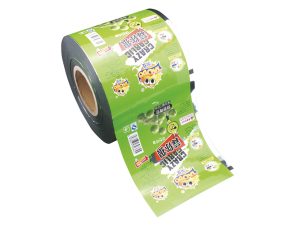
Flexible packaging films dominate the food and beverage market, and flexo printing is their best friend. Polyethylene and polypropylene films deliver stunning color reproduction and excellent durability when paired with solvent-based or UV inks. Because these surfaces are non-porous, ink adhesion depends heavily on corona or plasma treatment to increase surface energy.
Metal Foils – Aluminum and Thin Metal Sheets
Metal foils offer a luxurious, reflective surface that instantly elevates your packaging. However, printing on them requires precision: too much ink or pressure can dull the shine or cause smudging. Flexo presses equipped with fine-tuned anilox rollers and UV-curable inks deliver striking results without compromising metallic brilliance.
Laminates – Multi-Layer Packaging Materials
Laminates combine multiple layers—often film, foil, and paper—to balance strength and barrier protection. Printing on laminates requires inks that adhere without bleeding between layers. Flexo’s low-viscosity inks and precise ink control make it ideal for printing on laminated snack or pharmaceutical packaging.
Non-Woven Fabrics – Bags, Wipes, and Specialty Textiles
This one surprises many buyers: yes, you can flexo-print on non-woven fabrics! These materials, commonly used in reusable bags, wipes, and hygiene products, respond well to water-based inks when pre-treated properly. The result is bright, durable prints that don’t crack or peel with handling.
PVC Sheets – Labels, Signage, and Industrial Applications
PVC is notoriously tricky because it’s slick and sensitive to heat. But with the right combination of UV-curable inks and temperature control, flexo presses can produce vibrant, long-lasting graphics on PVC films and sheets. It’s a popular choice for outdoor signage, bottle labels, and durable decals.
Polyester (PET) Films – Flexible Packaging and Shrink Sleeves
PET is prized for clarity and strength, making it ideal for shrink sleeves, transparent packaging, and industrial wraps. Flexo printing ensures stunning clarity on PET while maintaining flexibility for wrapping complex shapes. Using low-migration UV inks prevents distortion during shrink application—a must for food-safe packaging.
Paperboard for Folding Cartons – Premium Product Packaging
Luxury brands love paperboard for its sturdy structure and premium texture. Flexo printing on coated paperboard can achieve the same high-quality graphics traditionally produced by offset printing, but with faster speeds and inline finishing. Think perfume boxes, cosmetics, and high-end electronics packaging—all achievable with flexo precision.
Specialty Coatings – Varnished, UV-Coated, or Textured Surfaces
Here’s where flexo really flexes its adaptability. Specialty-coated materials—like UV-varnished or textured papers—require careful ink formulation and surface treatment. With optimized anilox cell volumes and controlled pressure, flexo presses can print on challenging surfaces that most other methods avoid.
【Summary Table – Flexo-Compatible Materials Overview】
| Material | Ink Type | Surface Treatment | Key Benefit | Typical Application | Difficulty Level |
|---|---|---|---|---|---|
| Paper | Water-based | None | Eco-friendly, fast drying | Labels, wraps | Easy |
| Plastic Films (PE, PP) | Solvent or UV | Corona treatment | High gloss and durability | Snack pouches | Moderate |
| Metal Foils | UV-curable | Degreasing | Metallic brilliance | Dairy lids | High |
| Non-Woven Fabrics | Water-based | Surface activation | Soft, reusable prints | Eco bags | Moderate |
| PVC / PET Films | UV-curable | Static control | Durable and clear | Labels, sleeves | High |
Tips for Successful Flexo Printing on Diverse Materials
Select suitable ink types (water-based, solvent-based, UV)
Each material has a preferred ink chemistry. Water-based inks suit porous papers; solvent or UV inks bond better with films and foils.
Adjust printing parameters for thickness, texture, and surface energy
No “one-size-fits-all” here—flexo thrives on fine-tuning. Adjust pressure, drying speed, and anilox volume based on your substrate’s characteristics.
Test small runs before full production
Trial runs are invaluable. They reveal how inks behave and highlight potential defects before they multiply in full production.
Use high-quality plates and anilox rollers for consistent results
Durable photopolymer plates and precision-engraved anilox rollers maintain consistent ink transfer, ensuring print quality across various materials.
FAQs
Can flexo printing really work on metal or foil?
Yes! With UV-curable inks and proper tension control, metal foils print beautifully without losing their shine.
What’s the hardest material to flexo-print on?
Smooth, low-surface-energy plastics like untreated PP can be challenging—but corona treatment fixes that.
Are special inks required for fabrics?
Water-based inks with good flexibility are ideal; they won’t crack when the fabric bends.
How do I know if a material is compatible with flexo?
Conduct a surface tension test. If ink wets evenly, it’s usually compatible with proper settings.
Can one flexo press handle all these materials?
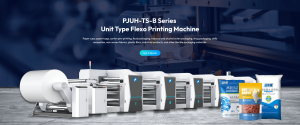
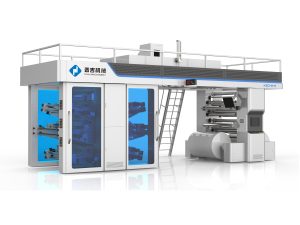
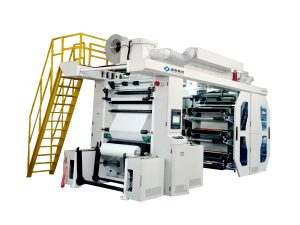
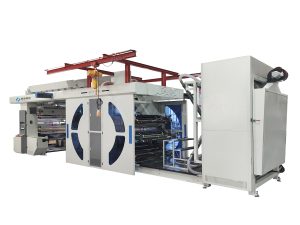
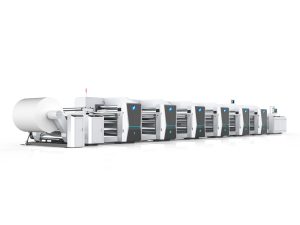
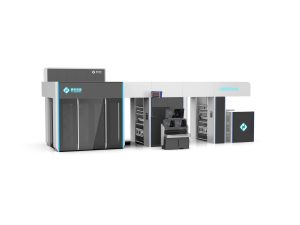
Yes—modern PuJi presses feature modular drying and web-handling systems that adapt to diverse substrates with minimal adjustment.
Conclusion
Flexo printing is no longer limited to paper or film—it’s a true chameleon in modern packaging. With the right setup, you can flexo-print on materials ranging from metal foils to non-woven fabrics and even coated textures, expanding your design and production possibilities. Every substrate adds its own personality to the final product, allowing you to match function with creativity.
At PuJi Packaging Machinery, we design presses engineered for this versatility—combining precision control, adaptive drying systems, and intelligent tension management. If you’re ready to explore new substrates and elevate your packaging game, reach out to PuJi today and let’s make your next print run extraordinary.