Skip to content
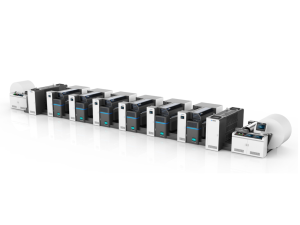
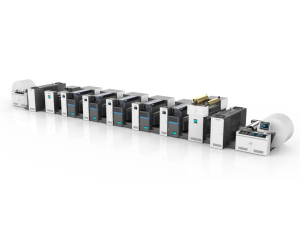
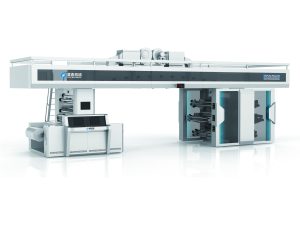
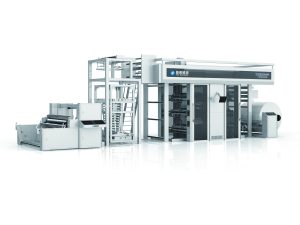
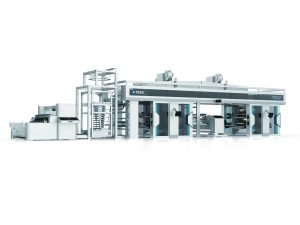
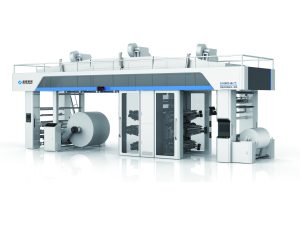
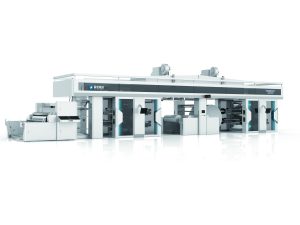
For paper cup manufacturers, the printing stage is not just about decoration—it’s about brand identity and product appeal. Cups must display sharp logos, vibrant colors, and precise designs, all while running at high speeds on coated paper stock. Unit-type flexographic printing machines have emerged as the preferred solution for this demanding application. Their modular, in-line configuration offers the precision, flexibility, and drying capacity needed to produce millions of high-quality cups efficiently.
Unit-Type vs. Other Flexo Press Designs for Paper Cup Printing
The choice of press architecture directly impacts print quality and production efficiency for paper cups. The table below compares unit-type presses with other common flexo designs.
| Feature | Unit-Type (In-Line) Flexo Press | Stack-Type Flexo Press | Central Impression (CI) Flexo Press |
|---|---|---|---|
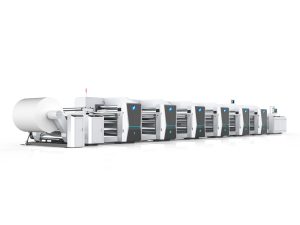
| Press Architecture | Horizontal, independent printing stations arranged in a line . | Printing units stacked vertically around a common frame . | All printing units arranged around a single, large central drum . |
| Print Registration Accuracy | Excellent; servo-driven electronic synchronization ensures precise color-to-color registration . | Good for simpler designs, but can drift on multi-color process work . | Exceptional; the gold standard for thin, extensible films, but overkill for stable paperboard . |
| Substrate Compatibility | Highly versatile; ideal for paper, paperboard (120-350 gsm), and films . | Good for papers and thicker materials; commonly used for paper cups and bags . | Optimized for thin, stretchy films; less suitable for rigid paperboard . |
| In-Line Converting | Maximum flexibility; ample space to integrate rotary die-cutting, punching, and lamination between stations . | Limited inter-station space; difficult to add complex finishing modules. | Very limited space on the drum; extra modules are typically offline. |
| Drying Capacity | Superior; long inter-station drying tunnels (hot air/UV) ensure thorough drying on coated stock, preventing smearing . | Adequate drying, but fixed, short path can limit speed on heavy ink coverage . | Limited inter-station drying length on the drum. |
| Makeready & Efficiency | Excellent access to all stations; quick plate/anilox changes; 4-color changeovers in minutes possible . | Good accessibility, but vertical design can slow down some adjustments. | Stations around the drum can be less accessible, potentially slowing changeovers. |
Superior Print Precision for Brand-Critical Designs
Paper cups are essentially miniature billboards for brands. Logos must be sharp, colors consistent, and text legible. Unit-type flexo presses deliver the high precision required for this. With each printing station independently driven by servo motors, these presses maintain exceptional registration accuracy—often within ±0.03mm . This “gearless” design eliminates mechanical backlash, ensuring that whether printing a simple two-color logo or a complex four-color process design with gradients, every color aligns perfectly. For paper cup manufacturers supplying major beverage chains, this level of precision is non-negotiable .
Exceptional Flexibility for Diverse Cup Designs
The paper cup market demands variety—different sizes, substrates, and designs for seasonal promotions or multiple brands. Unit-type presses offer the modular flexibility to handle this diversity effortlessly . Each printing station is independent, allowing manufacturers to run jobs with varying color counts (from 2 to 8 colors or more) without being locked into a fixed configuration . When a job requires a special effect like a spot varnish or a brand-specific PMS color, the modular design makes it simple to configure the press accordingly. This flexibility minimizes downtime between jobs and allows cup converters to respond quickly to changing customer demands .
Integrated In-Line Finishing for Complete Cup Production
One of the biggest advantages of unit-type presses for paper cups is their ability to integrate finishing processes directly into the printing line. After printing, cup blanks often require varnishing for moisture resistance and die-cutting or punching to create the precise fan-shaped blank that will be formed into a cup . On a unit-type press, rotary die-cutting, creasing, and stripping stations can be placed inline after the printing units . This transforms the press into a complete production line, printing and converting the cup blanks in one continuous pass, which eliminates extra handling, reduces waste, and ensures perfect registration between the printed image and the cut shape .
Optimized Drying for Coated Paperboard
Paper cup stock is typically coated or laminated to provide liquid resistance. This surface can be challenging for ink drying. Unit-type presses excel here because the linear design allows for long, powerful drying tunnels between each printing station . Whether using hot air for water-based inks or UV lamps for UV-curable systems, each color can be thoroughly dried before the next is applied . This “dry trapping” prevents wet ink from being picked off by subsequent rollers and ensures sharp dot definition. For high-speed cup production, this robust drying capacity is essential to prevent smearing and achieve the vibrant, rub-resistant finish that clients expect.
Fast Changeovers and Waste Reduction
In today’s competitive packaging market, run lengths are shrinking while the need for efficiency grows. Unit-type presses are designed for quick changeovers. Features like open-ended anilox roller designs, easy plate cylinder access, and pre-registration functions allow operators to switch between jobs in minutes . Some advanced unit-type systems can complete a 4-color changeover in as little as three minutes . This speed, combined with the short web paths that minimize material waste during setup, directly improves profitability for paper cup manufacturers. Less time spent changing jobs and less wasted material mean more productive hours and lower costs per cup .
FAQs
Q: Why is unit-type flexo preferred over stack-type for paper cups?
A: Unit-type presses offer superior registration accuracy for multi-color designs and, crucially, allow for inline die-cutting and stripping of cup blanks, which stack presses typically cannot accommodate due to limited inter-station space .
Q: What is the typical material weight for paper cup printing on these presses?
A: Unit-type flexo presses for cups commonly handle paper and paperboard ranging from 30-350 gsm, covering the typical range from thin inner liners to rigid cup stock .
Q: How does inline die-cutting work on a unit-type press for cups?
A: After the printing units, a rotary die-cutting station is integrated inline. It precisely cuts the printed web into the individual fan-shaped cup blanks and strips away the waste matrix, all in one continuous process synchronized with the print .
Q: Can unit-type presses handle both paper cups and other substrates like film?
A: Yes, their versatility is a major advantage. While optimized for paper, many unit-type presses can also handle plastic films, non-woven fabrics, and foils, allowing converters to diversify their product offerings.
Conclusion
For paper cup manufacturers, the choice of printing technology directly impacts quality, efficiency, and competitiveness. Unit-type flexo presses provide the perfect combination of high-precision printing, modular flexibility, integrated finishing, and superior drying. They are engineered to handle the specific demands of coated paperboard at production speeds, delivering vibrant, precisely registered prints that meet the strict standards of top brands.
Ready to elevate your paper cup production with a high-precision unit-type flexo press? With over 20 years of industry experience, PuJi Machinery offers robust, customizable printing solutions designed for the unique needs of packaging converters. Contact our team today to discuss your requirements and discover the perfect press for your production line.