Skip to content
Investing in a new flexographic printing press is a significant decision. One of the most common questions converters face is whether a 6-color or an 8-color machine is the right fit. The answer isn’t simply about the number of stations; it’s about aligning the press’s capabilities with your current market demands, typical job complexity, and future growth plans. This guide provides a clear framework to help you make this strategic choice.
6-Color vs. 8-Color Flexo Press: Key Decision Factors
The table below breaks down the critical considerations to help you evaluate which configuration best suits your business profile.
| Decision Factor | 6-Color Flexo Press | 8-Color Flexo Press | Business Considerations |
|---|---|---|---|
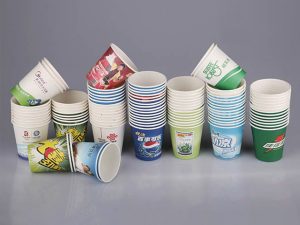
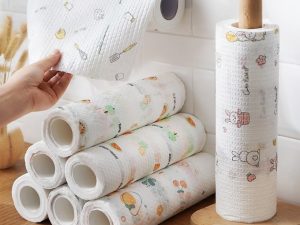
| Typical Applications | Spot color packaging, standard labels, simple paper products (bags, cups), basic flexible packaging . | High-end process printing (CMYK + spot colors), premium labels, photorealistic flexible packaging, designs requiring specials (white, varnish) . | What do your top 10 customers’ jobs look like today? Do they require more than 6 colors? |
| Process Color Capability | Can run 4-color process (CMYK), but may tie up all stations, leaving no room for spot colors or coatings. | Ideal for 4-color process (CMYK) plus 2-4 additional stations for spot colors, brand-specific PMS, opaque white, or protective varnish in one pass . | Do your jobs typically combine process images with specific brand colors or a protective coating? |
| Inline Finishing | Limited space for complex inline finishing after all colors; may require offline processes. | Ample capacity to integrate inline coating, lamination, or cold foil after the primary print stations, enhancing efficiency . | How much value do you place on completing jobs in a single pass versus offline finishing? |
| Investment Cost | Lower initial capital investment. Generally lower operating costs (plates, anilox rolls). | Higher upfront cost, but offers greater revenue potential per job by handling complex work inline . | What is your budget, and what is the potential ROI from taking on more complex, higher-margin work? |
| Market Positioning | Ideal for mid-tier converters focused on high-volume, consistent work with moderate complexity. | Positions your business for premium, high-value markets with complex, multi-dimensional print jobs. | Where do you want your business to be in 3-5 years? What markets do you want to serve? |
Assess Your Current and Future Print Needs
Start by analyzing the jobs you are running today and the ones you are losing to competitors. If 90% of your work is 1- to 3-color line work for simple bags or boxes, a 6-color press with its lower operating cost is likely a prudent, efficient choice. However, if you frequently turn away work that requires crisp 4-color process printing plus a specific brand color and a protective varnish, you are seeing a clear market signal. An 8-color press allows you to run CMYK plus, for example, a brand’s signature orange (PMS 021) and a matte varnish in a single pass. This capability turns previously impossible or inefficient jobs into profitable opportunities.
Evaluate Job Complexity and Inline Efficiency
Consider not just the colors, but the complete production workflow. A 6-color press is a workhorse for straightforward jobs. But as complexity increases, its limitations appear. Imagine a premium snack pouch requiring 4-color process, a white backing layer, and a gloss varnish. On a 6-color press, this might mean running the job in two passes (print, then offline coat) or sacrificing a process color. An 8-color press handles it all inline. The efficiency gain—eliminating extra handling, reducing waste, and ensuring perfect registration between the print and the coating—directly improves your profit margin on every such job. The question is whether your market mix justifies this inline capability.
Match the Machine to Your Growth Strategy
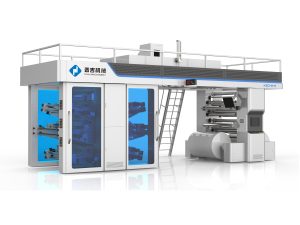
Your choice should reflect your long-term business strategy. A 6-color press is a lower-risk entry point or a perfect addition for a converter specializing in high-volume, lower-complexity packaging. It is a proven path to steady, reliable production. Conversely, an 8-color press is an investment in market differentiation. It signals to premium brands that you can handle their most demanding designs with precision and efficiency. It opens doors to sectors like cosmetics, high-end food packaging, and specialty labels where print complexity is a barrier to entry for less equipped competitors. With over 20 years of experience, PuJi Machinery helps converters align their equipment choices with their strategic vision.
Consider the Total Cost of Ownership
The initial purchase price is just one part of the equation. A 6-color press generally has lower ongoing consumable costs—fewer plates, anilox rolls, and less ink per job. For a shop with a consistent diet of simple jobs, this translates to excellent profitability. An 8-color press has a higher upfront cost and higher potential consumable usage, but its ability to command higher prices for complex work can significantly boost revenue. The key is to calculate the potential return on investment (ROI) based on the premium you can charge for complex, single-pass jobs versus the cost of running them in multiple passes or outsourcing them.
Don’t Overlook Flexibility and Future-Proofing
Finally, think about flexibility. An 8-color press offers inherent future-proofing. As brand owners increasingly seek differentiation through packaging—using more colors, special effects, and coatings—an 8-color machine ensures you have the capacity to adapt. You might run a 6-color job on an 8-color press without using all stations, but you cannot run an 8-color job on a 6-color press. This extra capacity acts as a buffer, allowing you to take on unexpected complex work or offer combination print (e.g., CMYK + 2 spot colors + varnish) without hesitation. It’s a strategic buffer against market evolution.
FAQs
Q: Can I run a simple 2-color job on an 8-color flexo press?
A: Yes, absolutely. You can run jobs using only the required stations. The unused stations simply remain idle or can be prepared for the next job. The press does not need all stations to be active.
Q: Is an 8-color press always slower to change over than a 6-color press?
A: Not necessarily. Modern presses from manufacturers like PuJi Machinery are designed for rapid changeovers. While there are more stations to potentially adjust, features like slide-out anilox cartridges, automated wash-up, and servo-driven registration can make changeover times on an 8-color press comparable to a 6-color press.
Q: What is the most common color configuration for high-end food packaging?
A: A very common configuration is 8 colors, often set up as CMYK plus 2-3 spot colors for brand elements and 1 station for a protective coating or a white underlayer for clear film applications. This provides maximum creative flexibility.
Q: My business is growing. Should I buy an 8-color press for future needs even if I don’t need 8 colors now?
A: This is a common and valid strategy. An 8-color press offers significant future-proofing. However, it’s important to balance the higher investment against a realistic forecast of when you will utilize its full capacity. If you anticipate moving into more complex markets within 2-3 years, it can be a smart strategic move.
Conclusion
Choosing between a 6-color and an 8-color flexo press is a strategic decision based on your market, job mix, and growth ambitions. A 6-color press offers efficiency and lower costs for standard work. An 8-color press provides the capacity, flexibility, and inline capability to capture higher-value, complex jobs and differentiate your business. The right choice is the one that best positions you for success, both today and tomorrow.
Ready to discuss which flexo solution aligns with your business goals? With over 20 years of industry experience, PuJi Machinery offers a full range of customizable flexo presses. Contact our team today for expert advice and a consultation tailored to your production needs and growth plans.