Skip to content
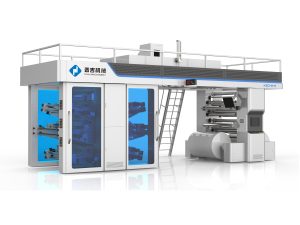
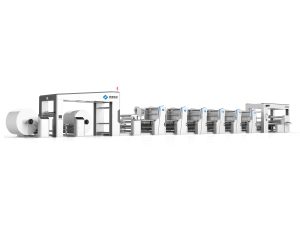
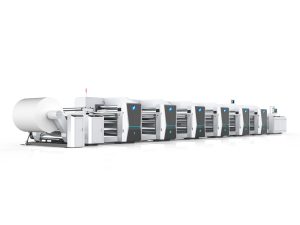
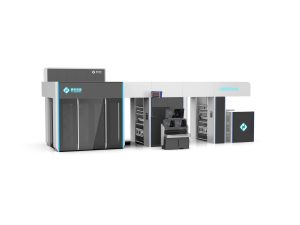
Selecting the perfect CI flexo printing machine can transform your high-volume packaging operations. With so many options available, understanding the key factors ensures your investment improves efficiency, print quality, and profitability. In this guide, PuJi Packaging Machinery breaks down 6 essential factors to consider when choosing a CI flexo printing machine, helping you make an informed decision that suits your production needs.
Why Choosing the Right CI Flexo Printing Machine Matters
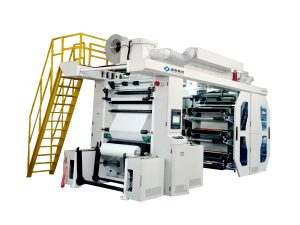
A CI flexo printing machine is more than just a press—it’s the heartbeat of high-volume packaging production. Choosing the wrong machine can result in wasted substrates, inconsistent prints, and missed deadlines. By considering speed, substrate compatibility, color accuracy, automation, and maintenance, you ensure a machine that optimizes output while minimizing waste and downtime.
Many packaging professionals underestimate the impact of proper selection, but the right CI press can increase throughput, improve registration, and handle complex materials effortlessly, setting your production line apart.
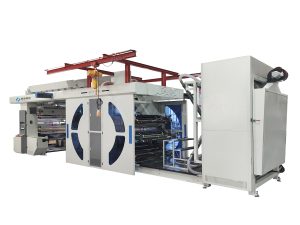
6 Factors to Consider When Choosing a CI Flexo Printing Machine
Production Speed and Throughput
CI flexo printing machines are engineered for speed. The central impression cylinder allows multiple color stations to print simultaneously, drastically reducing web travel and idle time. This results in faster cycles and higher throughput, essential for large-volume packaging operations.
Key Considerations:
-
Maximum speed in meters per minute
-
Web width and roll handling capabilities
-
Automated setup and make-ready reduction
-
Influence on labor efficiency and production planning
Substrate Compatibility and Flexibility
Your CI flexo machine must handle the variety of substrates your production demands—from polyethylene (PE) and polypropylene (PP) films to laminated foils and paperboard. The ability to process different thicknesses, textures, and coatings ensures consistent print quality across multiple product lines.
Key Considerations:
-
Maximum and minimum substrate thickness
-
Surface texture and coating compatibility
-
Requirement for surface treatments like corona or plasma
-
Consistency in registration across different substrates
Color Capability and Registration Accuracy
High-quality packaging demands precise color registration. The CI design inherently improves alignment, but evaluating the number of color stations and the precision of registration systems is crucial for detailed and multi-color designs.
Key Considerations:
-
Maximum number of colors per pass
-
Automated micro-adjustments and registration systems
-
Ability to print fine details and small text
-
Reduction of waste due to misaligned prints
Ink Type and Drying/Curing System Compatibility
Different substrates and inks require varying drying or curing systems. Whether you use UV-curable, water-based, or solvent-based inks, the machine must accommodate them effectively to maintain high-quality prints and avoid smudging or misregistration.
Key Considerations:
-
Supported ink types and viscosities
-
Efficiency of drying or curing system
-
Ink transfer consistency across multiple substrates
-
Compliance with environmental and safety regulations

Automation and Process Control
Modern CI flexo printing machines integrate automation to enhance efficiency and reduce manual intervention. Features such as web tension control, inline inspection, and digital process monitoring streamline operations and improve overall print consistency.
Key Considerations:
-
Automated substrate handling and web tension control
-
Inline quality monitoring and defect detection
-
Remote monitoring and process data collection
-
Ease of integration with finishing equipment
Maintenance, Support, and Total Cost of Ownership
Investing in a CI flexo printing machine isn’t just about upfront costs. Long-term maintenance, availability of spare parts, and manufacturer support significantly affect uptime and profitability. A press with accessible components and reliable support ensures consistent operation over years.
Key Considerations:
-
Ease of cleaning and replacing critical parts
-
Availability of training, technical support, and spare parts
-
Durability and lifespan of components
-
Energy efficiency and operational cost
【Summary Table – CI Flexo Printing Machine Selection Factors】
| Factor | Key Feature | Impact | Consideration | Example | Benefit |
|---|---|---|---|---|---|
| Production Speed | Central impression cylinder, high-speed design | Faster throughput | Maximum m/min, web width | Snack packaging | Reduced cycle time |
| Substrate Compatibility | Adjustable pressure & web handling | Multi-material capability | Thickness, coating, texture | Foils & laminated films | Flexibility in production |
| Color Capability | Multiple color stations, registration system | Accurate, consistent color | High-resolution graphics | Cosmetic cartons | Reduced waste |
| Ink & Drying | UV, water, solvent inks; hot-air or UV dryers | Optimal curing & adhesion | Ink-substrate compatibility | PET shrink sleeves | Vibrant, durable prints |
| Automation | Inline inspection, tension control | Less manual intervention | Integration with finishing | Flexible packaging lines | Improved efficiency |
| Maintenance & Support | Accessible components, training, spare parts | Lower downtime | Service availability | Long-term investment | Reliable operations |
FAQs
What types of substrates can a CI flexo printing machine handle?
PE, PP, laminated films, paperboard, foils, and coated specialty materials.
Is automation essential in a CI press?
Yes, automation improves registration, reduces labor, and ensures consistent high-speed output.
How many colors can be printed in one pass?
Most CI presses support multiple color stations, allowing complex multi-color designs in a single pass.
How do I ensure proper ink curing?
Select the right ink type for your substrate and use the appropriate drying or curing system (UV or hot-air).
What support does PuJi provide after purchase?
PuJi offers training, spare parts, maintenance, and technical support to ensure smooth long-term operation.
Conclusion
Choosing the right CI flexo printing machine is a strategic decision that directly impacts efficiency, print quality, and cost-effectiveness. By evaluating production speed, substrate versatility, color registration, ink and drying compatibility, automation, and maintenance, you ensure a press that meets both current and future production demands. PuJi Packaging Machinery offers advanced CI flexo presses that combine precision, speed, and versatility to streamline your packaging operations. Elevate your production line and ensure flawless results—contact PuJi today to explore the ideal CI flexo press for your business.