Skip to content
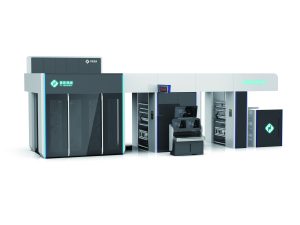
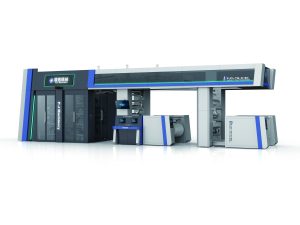
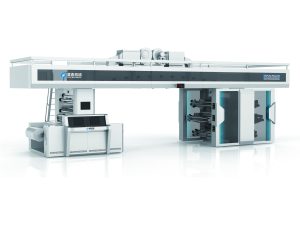
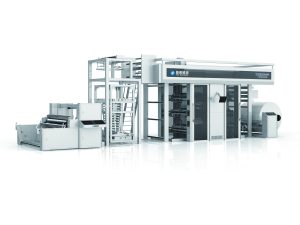
In today’s competitive printing market, efficiency and quality are not just goals—they are the baseline for survival and growth. As print shops evaluate investments to streamline operations, one piece of equipment consistently stands out: the stack press. Far from being a niche accessory, it has become a strategic asset for forward-thinking businesses. Let’s explore the six compelling reasons driving this trend and why a stack press from a reliable partner like PuJi Machinery might be the upgrade your shop needs.
To Eliminate Costly Production Bottlenecks
The biggest drain on a print shop’s profitability is often downtime. Manual sheet turning for duplex jobs forces the press to a complete stop, creating a significant bottleneck. A stack press automates this process, allowing for continuous, non-stop printing. This seamless workflow effectively unlacks trapped capacity, enabling shops to complete more jobs in the same shift, meet tighter deadlines, and increase overall throughput without adding another press.

To Achieve Uncompromising, Consistent Quality
Client trust is built on consistent, flawless output. Manual handling introduces variables—slight pulls, misalignments, and human error—that lead to inconsistencies, especially in registration. A stack press removes this variability. Its precision engineering ensures each sheet is flipped and realigned with mechanical accuracy, guaranteeing perfect front-to-back registration on every single sheet. This results in superior, predictable quality that enhances your shop’s reputation.
To Gain a Direct and Rapid Return on Investment (ROI)
Capital equipment decisions are driven by financial sense. A stack press offers one of the clearest and fastest ROIs in the pressroom. By slashing labor hours dedicated to flipping, dramatically reducing paper waste from misprints, and boosting job output, the machine quickly pays for itself. Most shops find the investment pays back in 12 to 24 months, after which it continues to contribute directly to the bottom line through ongoing efficiency gains.
To Free Up Skilled Staff for Higher-Value Work
Skilled press operators are a valuable resource. Tying them up with the repetitive, manual task of flipping sheets is an inefficient use of their expertise. Automating this process with a stack press redeploys talent to more critical areas, such as color management, preventative maintenance, or overseeing multiple jobs. This not only improves job satisfaction but also elevates the overall skill level and oversight in your shop.
To Confidently Take On More Complex Duplex Work
A stack press doesn’t just improve standard jobs; it expands your shop’s capabilities. It empowers you to confidently quote and produce complex work that would be risky or unprofitable manually. This includes jobs on lightweight or heavy-textured stocks, intricate designs requiring tight registration, and specialized packaging. This capability allows you to enter new, more profitable market segments and become a more versatile service provider to your clients.
To Build a More Sustainable and Modern Business
Sustainability is a growing concern for both print buyers and shops themselves. A stack press contributes directly to greener operations by minimizing paper waste—one of the largest sources of scrap in printing. Furthermore, investing in automation positions your shop as a modern, technologically advanced business. This enhances your appeal to clients looking for efficient, reliable partners and helps in attracting a new generation of skilled workers to the industry.
The Decision Factor: Traditional Method vs. Adding a Stack Press
| Consideration | Traditional Manual Flipping | With a PuJi Stack Press |
|---|---|---|
| Job Throughput | Limited by manual speed; creates stops. | Continuous flow; maximizes press uptime. |
| Quality Control | Variable; depends on operator skill and fatigue. | Consistent and mechanically guaranteed. |
| Financial Impact | High ongoing labor cost + material waste. | Clear ROI; converts savings to profit. |
| Staff Utilization | Skilled operators perform repetitive tasks. | Operators focus on supervision & quality. |
| Business Growth | Limited by complexity of jobs you can handle. | Enables entry into new, lucrative markets. |
| Operational Profile | Reactive, labor-intensive processes. | Proactive, automated, and modernized workflow. |
Conclusion
The shift towards stack press adoption is a clear response to modern printing demands. It is a strategic investment that simultaneously solves critical problems of efficiency, cost, and quality while future-proofing your operations. For shops aiming to grow, improve margins, and compete effectively, it has transitioned from an optional accessory to an essential component of a productive pressroom.
Transform your shop’s efficiency and capability. Contact PuJi Machinery today to schedule a consultation and see how our robust stack press solutions can address these six key reasons for your business’s success.
FAQ
Q: Is a stack press only for high-volume printers?
A: No. While it delivers massive value at high volume, it also improves profitability and quality for shops with mixed short and medium runs by eliminating waste and setup time.
Q: How difficult is the installation process?
A: PuJi Machinery provides comprehensive support. Our team ensures straightforward installation and integration with your existing press, minimizing disruption.
Q: Can it be used with different types of printing presses?
A: Yes. PuJi stack presses are designed for compatibility with a wide range of offset and digital printing presses.
Q: What kind of maintenance does it require?
A: They are built for durability with minimal maintenance needs. Routine cleaning and basic service, as outlined in our manual, keep them running smoothly.
Q: Why is PuJi a preferred choice for this equipment?
A: PuJi Machinery combines decades of engineering expertise with reliable, user-centric designs and strong after-sales support, ensuring you get a productive and lasting partnership.