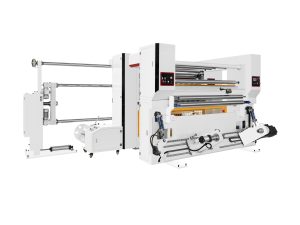
Skip to content
How to Recycle XPS Foam
Executive Summary
Extruded Polystyrene (XPS) foam, that ubiquitous pink insulation, is incredibly useful but notoriously difficult to recycle. This comprehensive guide tackles the thorny issue of XPS foam disposal, exploring various recycling options, from specialized programs to DIY solutions. We’ll delve into the challenges, discuss the importance of proper disposal, and, hopefully, leave you feeling empowered to responsibly manage your XPS waste. Ultimately, reducing our environmental impact, one pink foam board at a time, requires collective effort and informed decision-making. It’s a topic that, frankly, deserves more attention than it often receives. I’ve seen firsthand how much ends up in landfills! Let’s change that.
Is XPS Foam Recyclable?
The short answer is… sometimes. It’s definitely more complicated than tossing it in your curbside bin. The recycling infrastructure for XPS foam recycling 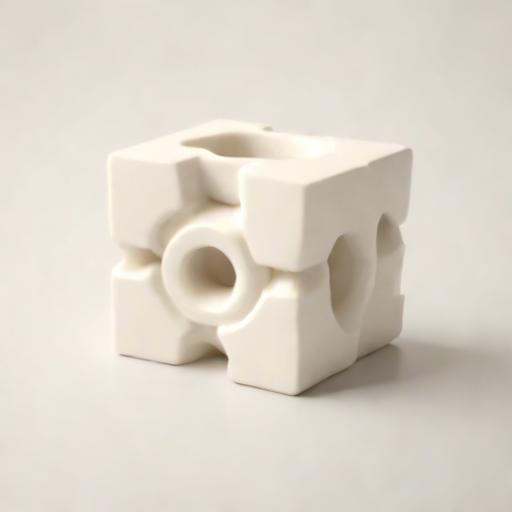 is currently limited compared to other materials. Many curbside recycling programs simply won’t accept it. This is largely due to the unique properties of XPS – its density and chemical composition make it challenging to process in standard recycling facilities. But don’t despair! There are options; you just need to know where to look. Finding a local drop-off point is crucial, and that, my friends, is where the detective work begins.
Where Can I Recycle XPS Foam?
Identifying local XPS recycling programs requires a bit of legwork. Start by contacting your local waste management company or city council; you’d be surprised what resources they sometimes have. Check online directories dedicated to recycling centers. Larger retailers, like those selling XPS insulation, may have take-back programs, so checking their websites directly is a must. You might also discover community initiatives or construction companies that regularly work with XPS and accept it for recycling. Remember, persistence is key! A bit of searching is entirely worth the effort for a healthier environment, don’t you think?
DIY XPS Foam Recycling: What Are My Options?
While full-scale recycling might be difficult to achieve yourself, there are small-scale solutions! You can potentially use leftover scraps for insulation in small projects around your home— think filling gaps in walls or creating makeshift packing material. However, remember to use appropriate safety measures. XPS foam can be irritating if inhaled, so consider appropriate PPE. Creative repurposing is also an option; perhaps you’re the next big artist who turns industrial waste into breathtaking sculptures? Never underestimate the power of imagination!
Understanding XPS Foam: Composition and Challenges
XPS foam is a closed-cell rigid foam made primarily from polystyrene, a petroleum-based plastic. Its closed-cell structure is what makes it effective as an insulator. But this very structure also makes it difficult to break down and recycle conventionally. Many existing recycling processes simply aren’t designed to handle its density and unique chemical makeup. This unfortunately leads to a high rate of ending up in landfills. And that, my friends, is a problem.
| Property | Description | Advantages | Disadvantages | Recycling Challenges | Solutions/Mitigation |
|---|---|---|---|---|---|
| Composition | Primarily polystyrene (a petroleum-based plastic), often with additives for strength and flame retardancy. | Excellent thermal insulation, water resistance, durability | Non-biodegradable, can contribute to landfill buildup. | Difficult to mechanically process in standard systems. | Specialized chemical or mechanical recycling processes. |
| Density | Relatively high density compared to other foams. | Excellent structural support and dimensional stability. | Makes it difficult to break down for traditional recycling. | Requires more energy and specialized equipment for processing. | Focus on source reduction and innovative recycling technologies. |
Closed-Cell Structure 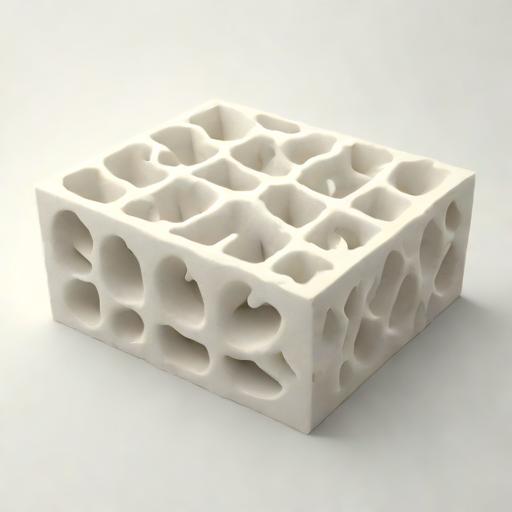 | Air-filled cells are completely sealed, resulting in high R-value. | Superior insulation compared to open-cell foams; highly water-resistant. | Limits permeability, increasing difficulty of recycling. | Complicates traditional material separation and processing. | Explore pyrolysis, chemical depolymerization, or mechanical shredding. |
| Flame Retardants | Often contain flame retardants to enhance fire safety. | Enhances building codes, crucial for safer structures. | May pose environmental risks if not handled properly. | Adds complexity to recycling due to chemical compatibility issues. | Careful selection of flame retardants and specialized separation. |
| Additives | Various additives are added to the base material during manufacturing. | Improve performance characteristics like strength and color. | May interfere with the recycling process. | Specific additives require separate treatment and processing streams. | Pre-sorting and separation of waste streams. |
| Durability | Very robust and resistant to degradation; lasts for many years. | Longevity & reliable performance for building applications. | Contributes to long-term environmental burden if not recycled. | High durability necessitates more robust recycling systems. | Design for recyclability and extended producer responsibility. |
Source: EPA Website on Recycling, Your Local Waste Management (Replace with your local website). (Note: Replace with actual relevant links)
The Environmental Impact of Improper XPS Foam Disposal
Improper disposal of XPS foam contributes significantly to environmental problems. It takes up valuable space in landfills, where it can persist for hundreds of years without degrading. The manufacturing process also contributes to greenhouse gas emissions. Proper recycling, on the other hand, reduces these negative impacts, conserves resources, and minimizes environmental damage. So remember— your choice affects the planet, even in something as seemingly inconsequential as disposing of foam!
FAQs
Q: Can I put XPS foam in my regular trash?
A: While technically you can, it’s not the environmentally responsible choice. Landfills are overflowing, and XPS foam doesn’t degrade easily. Opt for recycling if at all possible.
Q: What happens to recycled XPS foam?
A: Depending on the recycling process, recycled XPS can be used to create new products, such as picture frames, or can be used as a fuel source for energy generation.
Q: Why is recycling XPS foam so difficult?
A: Its density and closed-cell structure make it challenging to process in standard recycling facilities. Many facilities lack the specialized equipment required to handle it.
Conclusion
Recycling XPS foam isn’t always straightforward, but it’s undeniably crucial for environmental sustainability. By actively seeking out local recycling options, exploring DIY solutions, and understanding the challenges inherent in XPS recycling, we can significantly reduce the environmental impact of this versatile material. Don’t just toss it – take the time to find a proper disposal method. Every small step towards responsible waste management counts. Let’s work together to find innovative solutions to recycle this seemingly difficult-to-handle material and safeguard our planet for generations to come. The future of recycling depends on our actions today. Let’s get those pink foam boards out of the landfill!