Skip to content
Introduction
Flexographic printing has evolved into a cornerstone of modern manufacturing, offering a unique combination of high-speed production, substrate versatility, and cost-effectiveness for large-volume runs . Valued at over $230 billion globally in 2024, the flexo market is projected to grow steadily, driven largely by demand from the dynamic packaging sector . This guide highlights the ten industries that benefit most from flexographic printing, demonstrating why it is the preferred technology for their packaging and labeling needs. For reliable, high-performance flexographic solutions, PUJI Flexo Machinery offers equipment engineered to meet the demands of these diverse sectors.
Food & Beverage
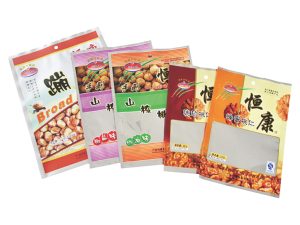
The food and beverage industry is the largest consumer of flexographic printing, driven by the need for high-volume, attractive, and safe packaging . Flexo’s ability to print on a vast array of substrates—from flexible films for snack bags to corrugated boxes for shipping—is crucial . The shift towards water-based and low-migration inks, which meet strict food safety regulations, further solidifies flexo’s dominance in this sector . It is the ideal solution for printing on materials that contact food directly.
Pharmaceuticals & Healthcare
The pharmaceutical industry demands packaging that is not only informative and compliant but also secure. Flexographic printing is used extensively for labels and folding cartons that require high-resolution text, barcodes, and tamper-evident features . The ability to use specialized, low-migration inks ensures that the packaging does not contaminate the product, making flexo a trusted choice for this highly regulated sector .
E-commerce & Shipping
The explosive growth of e-commerce has created an immense demand for corrugated boxes and shipping materials. Flexographic printing is the most efficient and cost-effective method for printing high volumes of branded shipping boxes . It delivers durable, high-quality prints on recycled and virgin cardboard, helping online retailers enhance their brand presence from the moment a package arrives.
Consumer Goods & FMCG
Fast-moving consumer goods (FMCG) such as toiletries, household cleaners, and cosmetics rely heavily on eye-catching packaging to stand out on shelves. Flexographic printing offers the flexibility to handle a wide variety of packaging formats, from flexible plastic pouches and shrink sleeves to rigid labels and cartons . Its ability to produce vibrant, high-quality graphics at high speed makes it indispensable for this fast-paced industry.
Beverage
From labels on bottles to cartons and shrink sleeves, the beverage industry uses flexographic printing for its speed and versatility. Flexo is particularly well-suited for printing on challenging materials like plastic films and metallic foils used in beverage packaging, providing the necessary durability and visual appeal to attract consumers .
Personal Care & Cosmetics
The cosmetics sector demands packaging that is as premium as the product inside. Flexographic printing has advanced to the point where it can produce exceptional high-definition print quality, sharp images, and vibrant colors suitable for luxury packaging . This allows brands to achieve complex designs and metallic effects that drive consumer choice.
Industrial & Automotive
Beyond consumer packaging, flexographic printing serves industrial sectors by printing on heavy-duty materials like corrugated for parts packaging, and on pressure-sensitive labels that must withstand harsh environments, oils, and chemicals. The technology’s compatibility with durable substrates and inks makes it a reliable solution for industrial labeling needs .
Agricultural & Chemical
The agricultural and chemical sectors require robust, often weather-resistant packaging and labeling for fertilizers, pesticides, and other products. Flexographic printing provides a cost-effective solution for printing clear, durable graphics, warning labels, and usage instructions on a variety of multi-wall bags and industrial packaging.
Textile & Fashion
Flexographic printing is increasingly used for printing on films and materials used in textile packaging and, with advancements in ink technology, for direct printing on certain fabrics. It offers an efficient method for creating custom packaging for apparel brands, from poly bags to printed boxes.
Logistics & Postal
The logistics industry relies on flexographic printing for printing shipping labels, barcodes, and postal wraps. The technology’s high-speed output and ability to print variable data efficiently are key for ensuring packages are correctly sorted and tracked as they move through the global supply chain.
Summary of Key Beneficiaries
| Industry | Key Applications | Primary Benefits of Flexo |
|---|---|---|
| Food & Beverage | Flexible packaging, corrugated boxes, labels | Substrate versatility, food-safe inks, high speed |
| Pharmaceuticals | Labels, folding cartons | High resolution, precision, compliant low-migration inks |
| E-commerce & Shipping | Corrugated boxes, mailers | Cost-effective high-volume printing, durability |
| Consumer Goods (FMCG) | Flexible pouches, labels, shrink sleeves | Eye-catching graphics, high-speed production |
| Beverage | Labels, cartons, shrink sleeves | Versatility with films and foils, high print quality |
| Personal Care | Labels, premium cartons | High-definition print for luxury branding |
| Industrial & Automotive | Parts packaging, durable labels | Compatibility with harsh-environment materials |
| Agricultural & Chemical | Multi-wall bags, chemical labels | Weather-resistant, durable graphics |
FAQ
Which industry is the largest user of flexographic printing?
The food and beverage industry is the largest user, driven by the immense demand for flexible packaging, labels, and corrugated boxes . This segment accounts for a significant portion of the market.
Why is flexo preferred for e-commerce packaging?
E-commerce relies heavily on flexo because it is the most cost-effective way to print high volumes of branded corrugated boxes . The process offers speed, consistency, and compatibility with recycled materials.
How does flexo serve the pharmaceutical industry?
Pharmaceutical companies use flexo printing for its ability to produce high-resolution labels and cartons with precise text, barcodes, and security features . The availability of low-migration inks ensures the packaging does not interact with the medicine, making it safe and compliant .
What is driving growth in the flexographic printing market?
The market is primarily being driven by the growing packaging industry, especially for food, beverages, and consumer goods. Additionally, a shift towards sustainable printing practices and the adoption of water-based inks is a key driver .
Conclusion
Flexographic printing is not a one-size-fits-all technology, but its unique combination of speed, cost-effectiveness, and remarkable substrate versatility makes it indispensable for a wide range of industries. From ensuring the safety of pharmaceutical packaging to creating eye-catching e-commerce boxes, the technology is fundamental to modern commerce. For businesses seeking to invest in reliable, high-performance flexographic printing equipment that can serve these diverse sectors, explore the solutions from PUJI Flexo Machinery at https://www.pujimachinery.com to elevate your packaging capabilities.